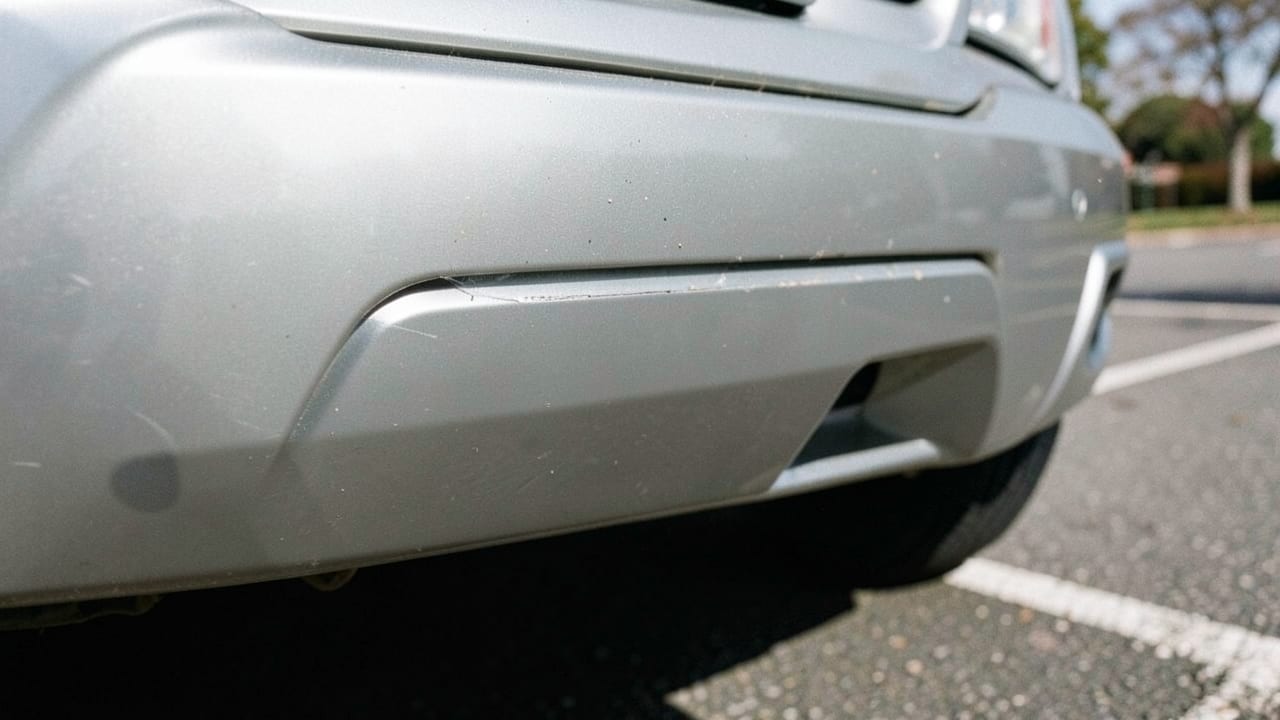
Paint Protection Film (PPF) Installation
Self-healing clear PPF installation in Setauket, NY for high-impact panels or a full-body wrap — real physical protection against rock chips and road debris.
Paint Protection Film (PPF) Installation in Setauket, NY, involves applying a clear, self-healing urethane film to high-impact vehicle areas like the hood, bumpers, and mirrors. This service helps shield your car from road debris, scratches, and UV damage, extending its appearance and protecting your investment.
The process includes thorough surface prep, precise film application, and careful finishing to ensure long-lasting results tailored to your vehicle’s needs.
We also handle Fall Paint Prep for Winter and Full-Vehicle Ceramic Coating for Setauket vehicles.
Why PPF installation matters for Setauket drivers
Setauket’s mix of rural roads and coastal drives exposes vehicles to unique risks, from gravel chips to salt spray. PPF installation focuses on the most vulnerable areas—hoods, bumpers, and mirrors—where damage from debris or weather is most likely to occur.
Unlike ceramic coatings, PPF physically shields against impacts, making it ideal for daily drivers or those who park near construction zones or salted roads.
The film’s self-healing properties mean minor scratches often smooth out over time, but its effectiveness depends on proper installation. Skipping steps like clay bar decontamination or edge-sealing can lead to trapped dirt, premature yellowing, or lifted edges—issues that are harder to fix later.
A well-installed PPF can last years, but only if applied correctly from the start.
Signs Your Vehicle Needs PPF Installation
- Visible swirl marks or light scratches on high-impact panels (hood, bumpers, mirrors).
- Fading or dullness in paint, especially near edges where UV exposure is concentrated.
- Pre-existing chips or dings in areas prone to road debris (e.g., lower bumpers, rocker panels).
- Parking habits that expose your car to frequent debris (e.g., near construction, gravel roads, or salted lots).
What affects PPF installation cost and duration
The scope of the job—whether you opt for partial coverage (e.g., hood and bumpers) or a full-body wrap—directly impacts pricing and time. Partial installations typically take 2–4 hours, while full wraps can extend to 6–8 hours due to the precision required for wrapping edges and curves.
Surface condition also plays a role; vehicles needing paint correction or additional prep (like iron removal) may require extra time.
Material quality varies, with thicker, more durable films costing more upfront but often lasting longer. The type of vehicle matters too; luxury or custom cars with intricate panel shapes may need hand-plotted film rather than pre-cut patterns, adding to the labor time.
Always confirm whether the quote includes full prep (wash, decontamination, panel wipe) or just the film application itself.
| Factor | Impact on Installation |
|---|---|
| Coverage Area | Partial (hood/bumpers): 2–4 hours | Full wrap: 6–8 hours |
| Surface Condition | Pre-existing damage or heavy contamination adds 1–3 hours of prep. |
| Vehicle Complexity | Custom or luxury models may require hand-plotting, increasing labor time. |
| Film Thickness | Thicker films (3–5 mil) take slightly longer to apply but offer longer protection. |
Common missteps and how to avoid them
One of the biggest mistakes is rushing the cure period—washing or exposing the vehicle too soon can disturb edges that haven’t fully bonded. PPF edges are the weakest points; even a small lift can trap dirt and water, accelerating peeling.
Another issue is stretching the film too tightly over curves, which thins the material and makes it prone to yellowing or cracking earlier than the rest of the panel.
Using high-pressure washes or automatic car washes too soon after installation can also force water under edges. A ceramic topper applied *after* the PPF cures adds an extra layer of protection, but it won’t fix poor installation.
Always ask for a written guide on post-installation care, including the recommended cure window and safe washing methods.
Edges are where PPF fails first. A lifted edge—often near body lines or seams—lets dirt and moisture in, speeding up peeling. Catching it early (within days) is easier and cheaper than fixing it later. Always inspect edges after washing or driving on rough roads.
How PPF installation works
This process ensures the film adheres smoothly and lasts as long as possible.
- 1Surface Prep and Decontamination
The panel is washed, clay-barred, and wiped with isopropyl alcohol to remove all contaminants. Any dirt, wax, or oil trapped under the film becomes permanent once applied, so thorough cleaning is critical.
- 2Pattern Selection and Film Plotting
Film is either cut from a digital pattern matched to your vehicle’s exact panel shapes or hand-plotted directly onto the panel. A squeegee and blade trim edges to fit curves and body lines precisely.
- 3Wet Application and Bubble Removal
A slip solution allows the film to reposition before it sets. Air bubbles and wrinkles are worked out with the squeegee, ensuring a smooth bond to the paint underneath.
- 4Heat Setting and Final Finishing
A heat gun conforms the film to curves, and a final squeegee pass removes excess slip solution and trapped air, leaving the film flat against the paint.
- 5Cure and Edge Inspection
The film cures fully before washing, and edges are checked again to ensure they’re sealed. Unsealed edges are the most common failure point if not addressed early.
Frequently asked questions
Will PPF fix existing scratches or swirls on my car?
No, PPF covers and protects against new damage but won’t correct existing scratches or swirls. If your paint has imperfections, they’ll remain visible underneath the film. Consider paint correction before installation for the best results.
How long does the PPF installation take, and can I drive my car right after?
Partial installations take 2–4 hours; full wraps can extend to 8 hours. You can drive the car once the film is applied, but it must cure fully (typically 24–72 hours) before washing or exposing it to harsh conditions to prevent edge lifting.
Does PPF protect against rock chips or deep scratches?
PPF shields against light swirls and minor debris but won’t stop rock chips or deep scratches. It adds a layer of physical protection but isn’t impact-resistant. For rock chip prevention, consider a ceramic topper applied over the PPF.
How do I know if my PPF is installed correctly?
A properly installed PPF should have no bubbles, wrinkles, or lifted edges. Check edges and high-wear areas (like the front of the hood) regularly for signs of peeling or trapped dirt. If you notice yellowing or cloudiness in specific spots, it may indicate trapped moisture or UV breakdown.
Where Setauket sits, and what the Census lists nearby
Setauket sits in New York, and the closest places listed in the U.S. Census Gazetteer are Poquott (1.3 miles east), Old Field (1.5 miles northwest), East Setauket (2.2 miles southeast), Belle Terre (2.6 miles east).
Within 25 miles of Setauket the same source lists 175 distinct incorporated places and census-designated places.
Those figures matter for paint protection film (ppf) installation because they are straight-line distances between Census coordinate points: road mileage between Setauket and Poquott runs longer than the 1.3 miles shown, which is why quotes for the same job differ between towns that look close together on a map.
Source: U.S. Census Bureau Gazetteer.
See Village of the Branch, NY for more, or see our complete Setauket service list step by step for our complete lineup.
Ready to get started?
Talk to a local ceramic coating pro in Setauket — get a written quote.
Other Ceramic Coating Services in Setauket
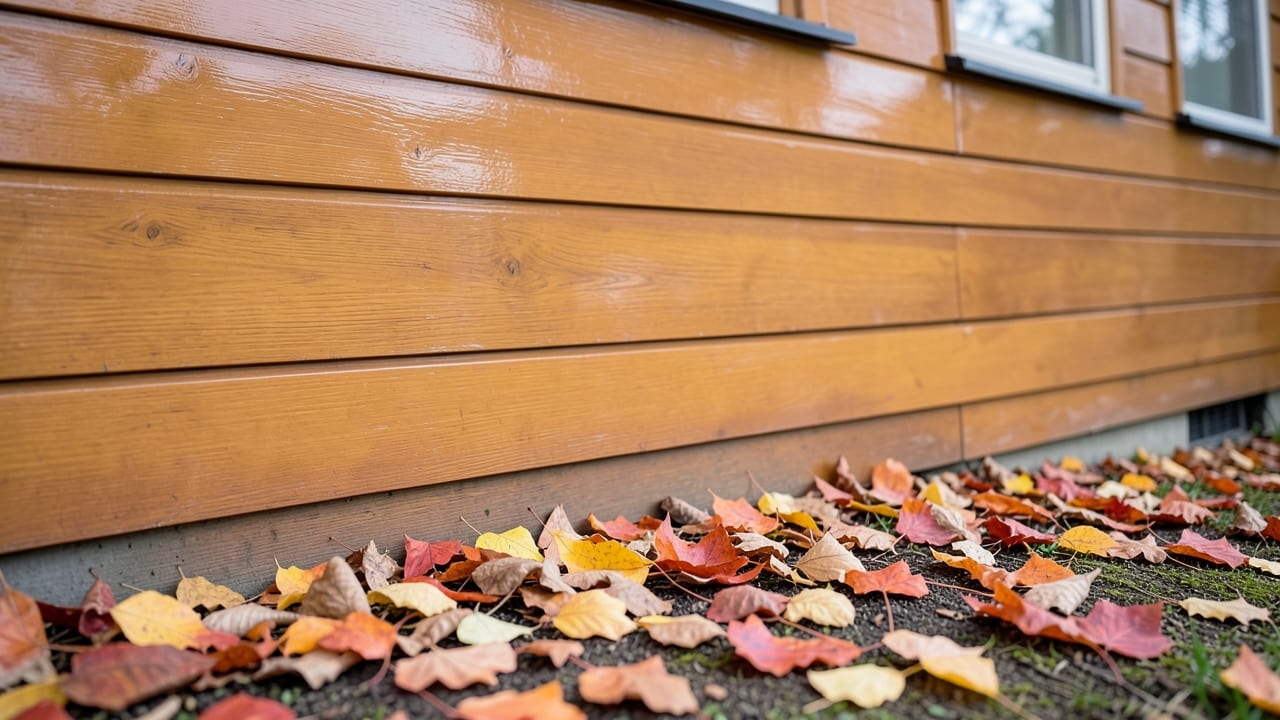
Fall Paint Prep for Winter in Setauket, NY
Ceramic coating and paint protection applied to homes before winter to prevent damage.
Learn More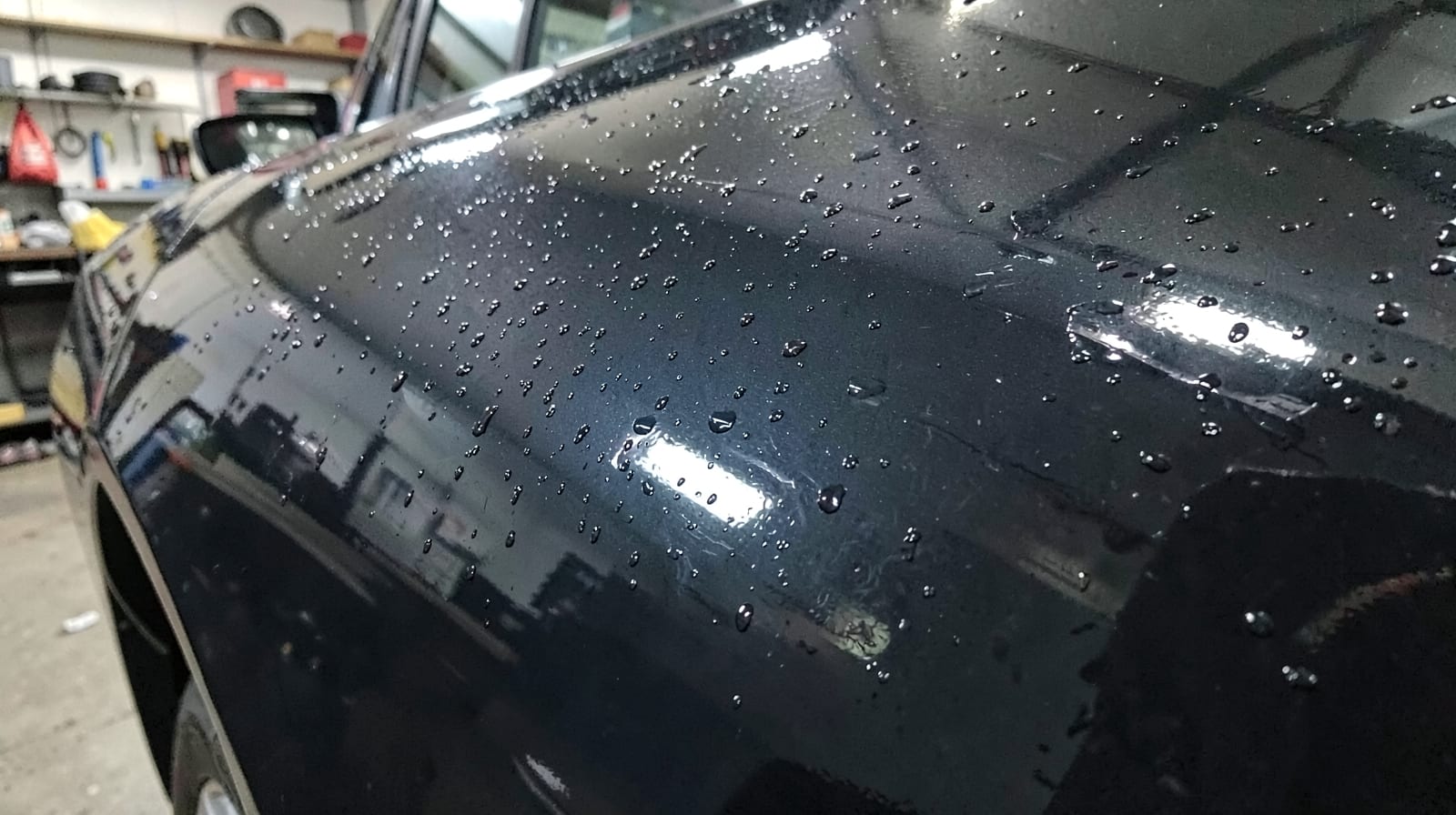
Full-Vehicle Ceramic Coating in Setauket, NY
Professional nano-ceramic coating for vehicles in Setauket, NY — a hard, semi-permanent SiO2 layer for deep gloss, strong hydrophobic protection, and easier washing.
Learn More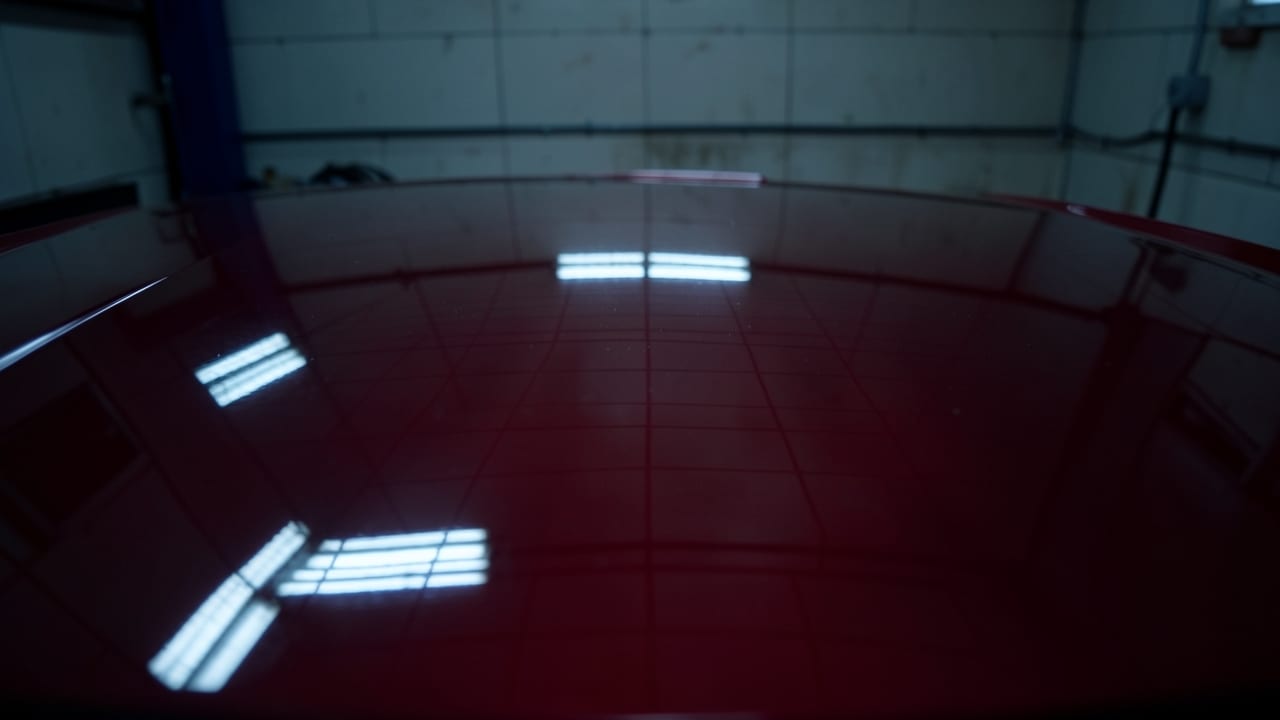
Paint Correction & Polishing in Setauket, NY
Machine paint correction and polishing in Setauket, NY — removes swirl marks, oxidation, and water spots, and is the mandatory first step before any ceramic coating.
Learn More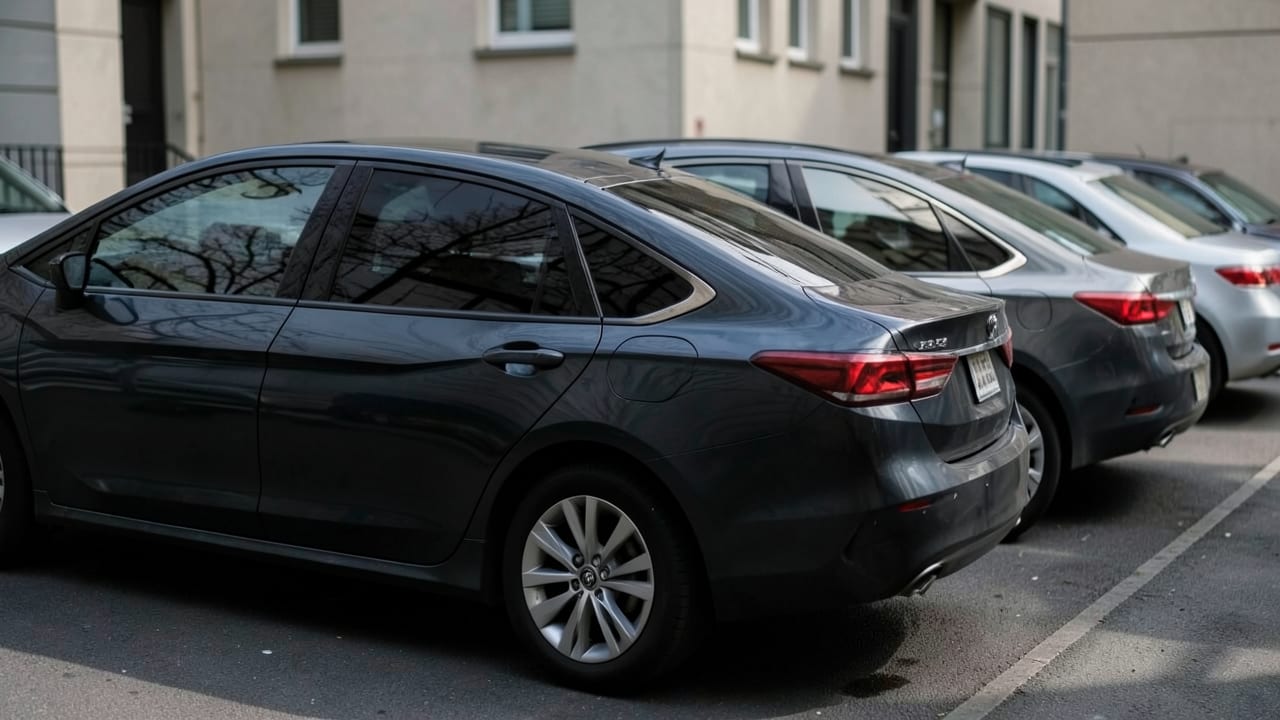
Ceramic Window Tint in Setauket, NY
Nano-ceramic window tint in Setauket, NY — rejects heat and blocks 99% of UV without the signal interference or fading of cheaper films.
Learn More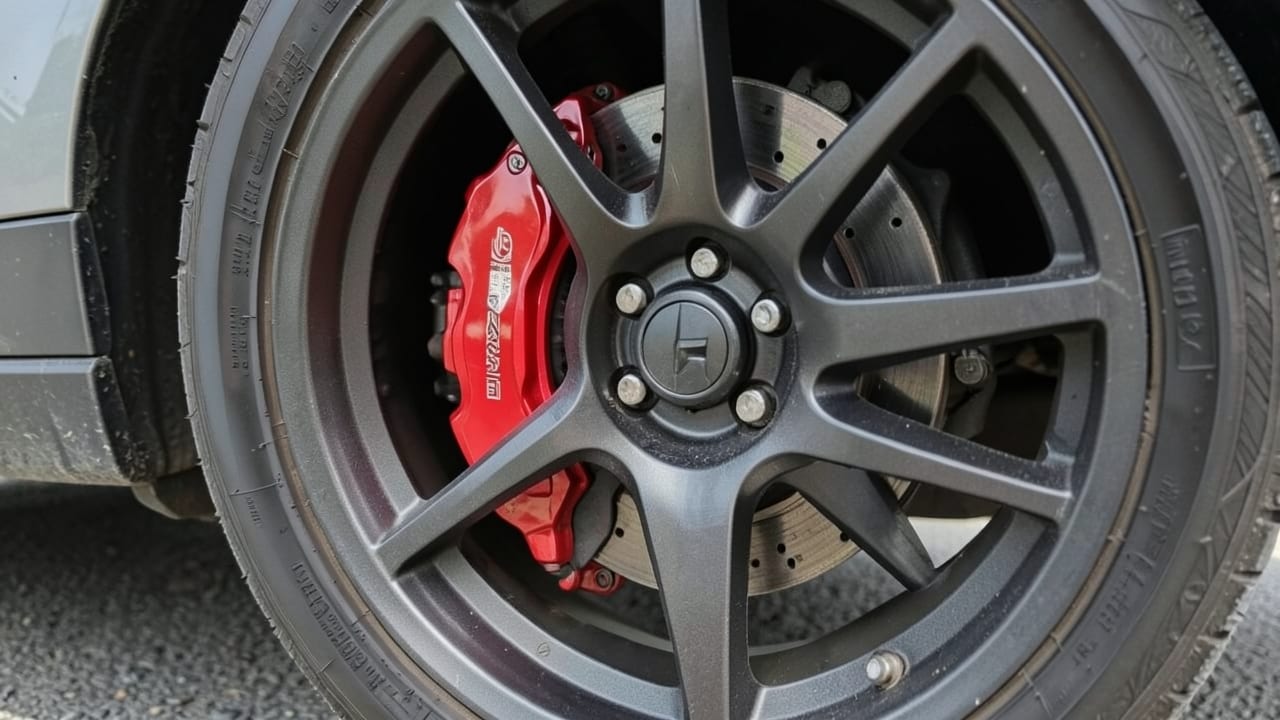
Wheel & Brake Caliper Ceramic Coating in Setauket, NY
Dedicated ceramic coating for wheels and brake calipers in Setauket, NY — stops brake dust and corrosive grime from bonding to the finish.
Learn More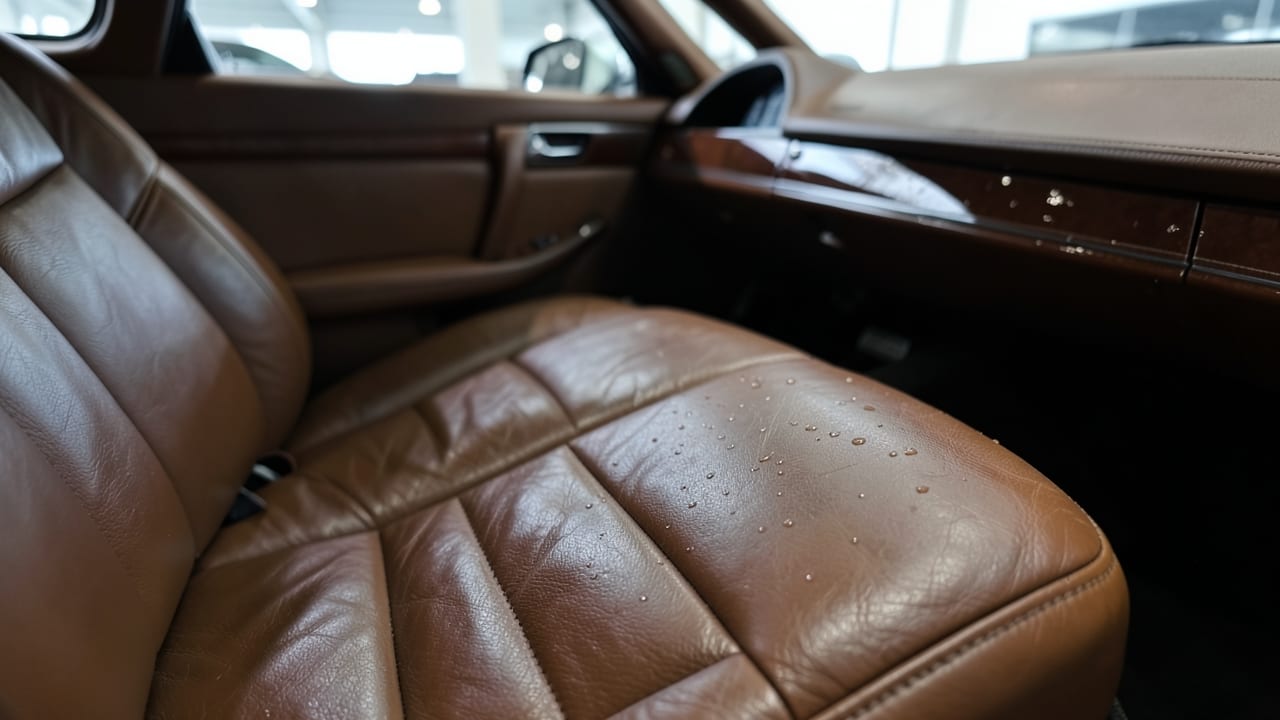
Interior Ceramic Protection in Setauket, NY
Interior fabric, leather, and trim ceramic protection in Setauket, NY — guards against spills, UV fading, and daily wear.
Learn MoreCommon Questions About Ceramic Coating in Setauket
Everything you need to know about ceramic coating services in Setauket
How much does Paint Protection Film (PPF) Installation typically cost in Setauket, NY?
Does coastal salt air affect how a ceramic coating performs in Setauket, NY?
Can ceramic coating be applied at home instead of by a detailing shop?
How long does a ceramic coating actually last in real-world use?
What is the difference between graphene and SiO2 ceramic coatings?
Does a ceramic coating need to be topped up over time?
Need Ceramic Coating in Setauket?
Get a written quote from our Setauket crew.
⏰ We answer your call • Serving all of Setauket and surrounding areas