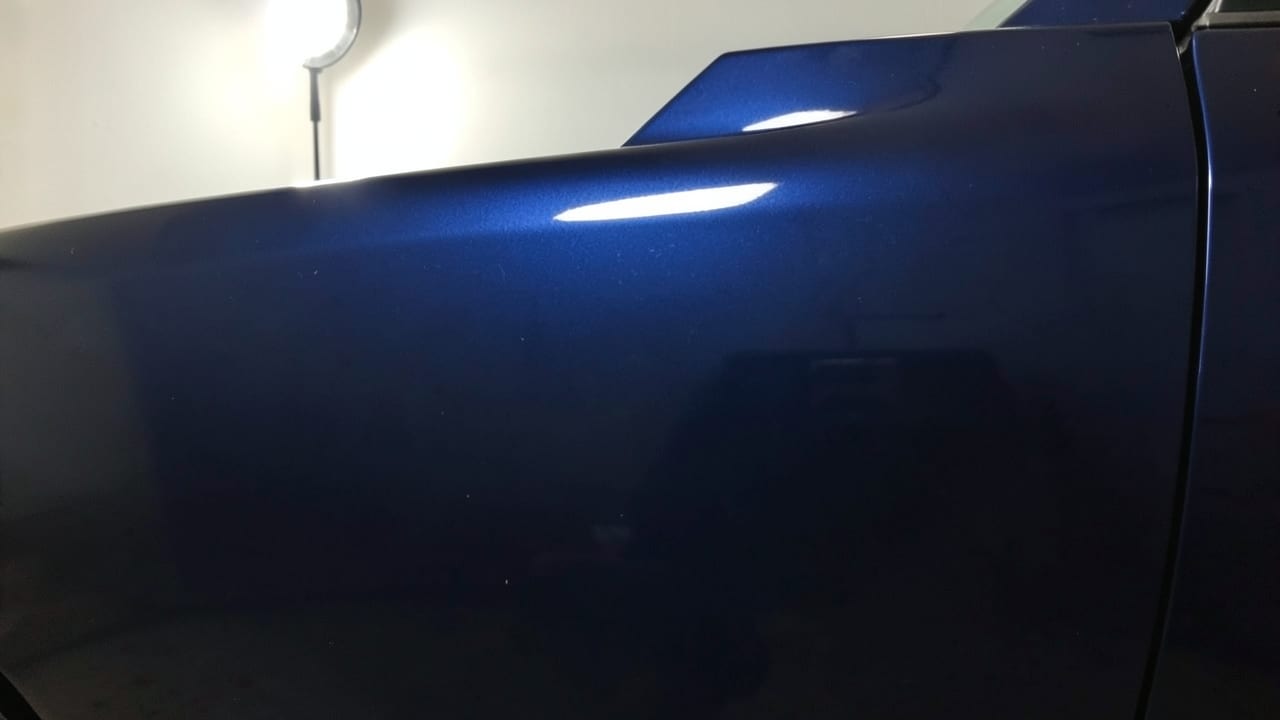
Clay Bar Paint Decontamination
Clay bar paint decontamination in Setauket, NY removes bonded surface contaminants a wash alone can't touch, before coating or correction.
In Setauket, NY, clay bar paint decontamination is a common service for vehicles exposed to embedded contaminants like rail dust, industrial fallout, and tree sap. These contaminants bond to clear coat, resisting standard washing and requiring targeted chemical treatment and mechanical removal to restore a smooth, clean finish.
Why decontamination is needed in Setauket
Setauket’s environment—near highways, industrial areas, and tree-lined roads—means contaminants like brake dust, tar, and sap often bond to paint. These don’t wash off easily and can leave a gritty texture or dull appearance, even after a wash. Decontamination targets these embedded particles before they etch the clear coat.
We also handle Headlight Restoration & Coating and Fleet & Commercial Vehicle Coating for Setauket vehicles.
Contaminants like iron particles from brake dust or adhesive residues from sap require specific chemistry to lift. Skipping this step can lead to swirl marks or permanent discoloration, especially on lighter paint colors. A thorough decontamination ensures the paint stays protected and visually sharp.
Signs Your Vehicle Needs Decontamination
- Paint feels gritty or bumpy under a clean hand, even after washing.
- Dark specks remain on lighter paint colors after soap-and-water washing.
- Tar or sap spots leave faint shadows or reappear after treatment.
- Orange/rust-colored specks appear after highway driving (brake dust).
- Clear coat looks dull or hazy despite regular cleaning.
How contaminants affect paint over time
Embedded contaminants weaken paint protection by breaking down wax or sealant layers. Without removal, they can lead to swirl marks, oxidation, or even clear coat etching. In Setauket, where industrial fallout and tree sap are common, addressing contaminants early prevents long-term damage.
Decontamination isn’t just about looks—it restores the paint’s protective barrier. Skipping this step can shorten the lifespan of any ceramic coating applied afterward, as embedded particles can interfere with adhesion and durability.
What to expect during the process
Decontamination starts with identifying the contaminant—each type (tar, iron, adhesive) needs a tailored chemical treatment. This ensures the contaminant is dissolved rather than spread or scratched into the paint. Mechanical steps like clay bar work are used only after chemicals have had time to break down the bond.
After removal, a protective topper or sealant is applied to restore the paint’s barrier. This step is critical, as decontamination can temporarily strip existing protection. Without it, the paint remains vulnerable to new contaminants until the next layer of wax or sealant is added.
| Contaminant Type | Common Sources in Setauket | Chemical Treatment Used |
|---|---|---|
| Iron particles | Brake dust from highways (Route 25, Route 112) | Iron remover solution |
| Tree sap | Oak, maple, or pine trees (common in Setauket parks) | Adhesive/sap remover |
| Tar/road residue | Highway overspray or parking near industrial areas | Solvent-based tar remover |
| Industrial fallout | Near Port Jefferson or Stony Brook industrial zones | pH-balanced clay lubricant + targeted cleaner |
How clay bar paint decontamination works
- 1Contaminant Identification
The affected areas are inspected under direct light to determine the type of contaminant (iron, tar, sap, etc.). Each requires a specific chemical treatment to avoid damaging the paint.
- 2Chemical Treatment Application
A targeted cleaner is applied to the contaminant and allowed to dwell for several minutes to break down the bond. Scrubbing too soon can drag undissolved particles across the surface.
- 3Mechanical Removal (If Needed)
A clay bar or mitt is gently worked over the treated area with a lubricant to lift remaining contaminants. This step is skipped if the chemical treatment fully dissolves the contaminant.
- 4Rinse and Inspection
The area is rinsed clean, and the paint is re-inspected under light to confirm contaminants are fully removed. Some may require a second treatment if residue remains.
- 5Protective Follow-Up
A spray sealant or coating topper is applied to restore the paint’s protective layer, which may have been disturbed during decontamination.
Frequently asked questions
How do I know if my car needs decontamination instead of just a wash?
If soap and water leave behind gritty specks, a dull haze, or if the paint feels rough to the touch, embedded contaminants are likely present. A wash alone won’t remove them—decontamination targets what washing misses.
Can I use an all-purpose cleaner to remove tar or brake dust spots?
No. All-purpose cleaners often smear contaminants like iron particles or tar instead of lifting them. Each type of contaminant needs a chemistry-specific product to dissolve safely without damaging the paint.
Will decontamination leave my paint unprotected afterward?
The process temporarily strips existing wax or sealant layers. A protective topper or sealant is applied at the end to restore the barrier, but you’ll want to add a fresh layer of wax or sealant within a few weeks.
How often should I have my car decontaminated in Setauket?
Frequency depends on exposure—vehicles parked near highways, industrial areas, or under sap-producing trees may need it every 6–12 months. Regular rinsing of fresh contaminants (within 48 hours) can reduce how often full decontamination is needed.
Where Setauket sits, and what the Census lists nearby
Setauket sits in New York, and the closest places listed in the U.S. Census Gazetteer are Poquott (1.3 miles east), Old Field (1.5 miles northwest), East Setauket (2.2 miles southeast), Belle Terre (2.6 miles east).
Within 25 miles of Setauket the same source lists 175 distinct incorporated places and census-designated places.
Those figures matter for clay bar paint decontamination because they are straight-line distances between Census coordinate points: road mileage between Setauket and Poquott runs longer than the 1.3 miles shown, which is why quotes for the same job differ between towns that look close together on a map.
Source: U.S. Census Bureau Gazetteer.
See Mount Sinai, NY for more, or explore everything Setauket vehicle owners can book with us for our complete lineup.
Ready to get started?
Talk to a local ceramic coating pro in Setauket — get a written quote.
Other Ceramic Coating Services in Setauket
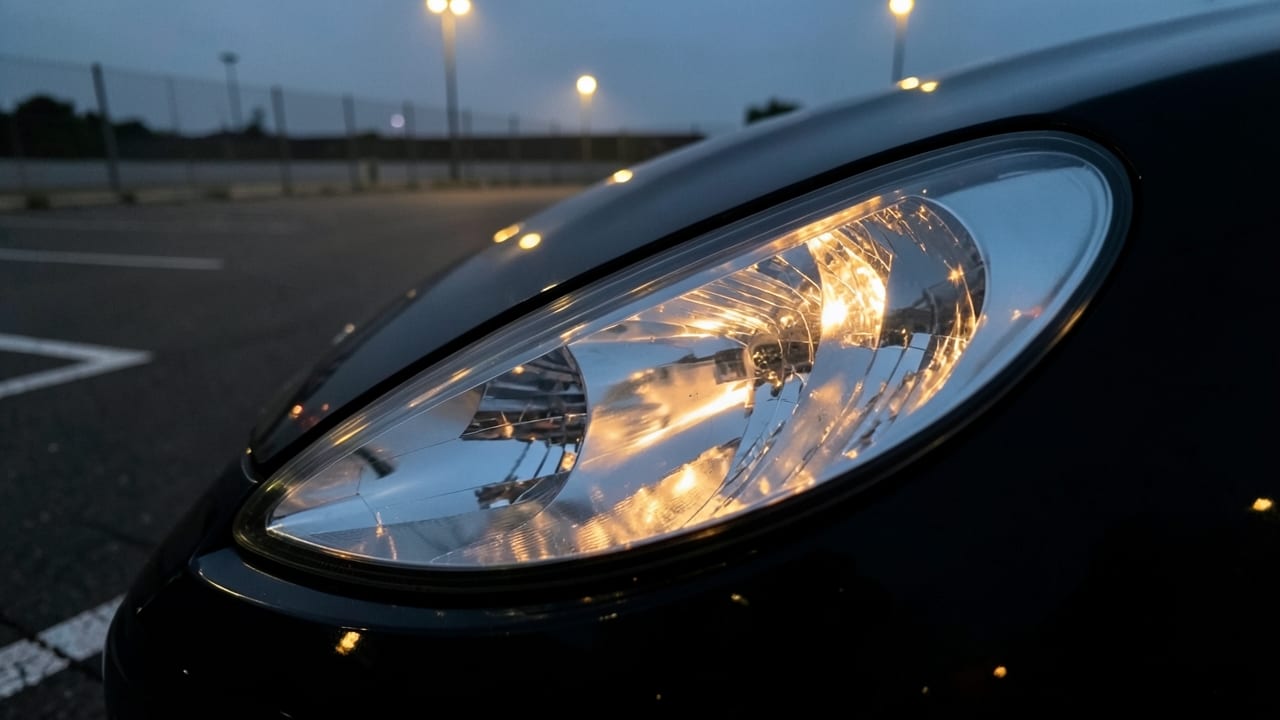
Headlight Restoration & Coating in Setauket, NY
Headlight restoration and UV-protective coating in Setauket, NY — restores clarity and nighttime visibility without replacing the assembly.
Learn More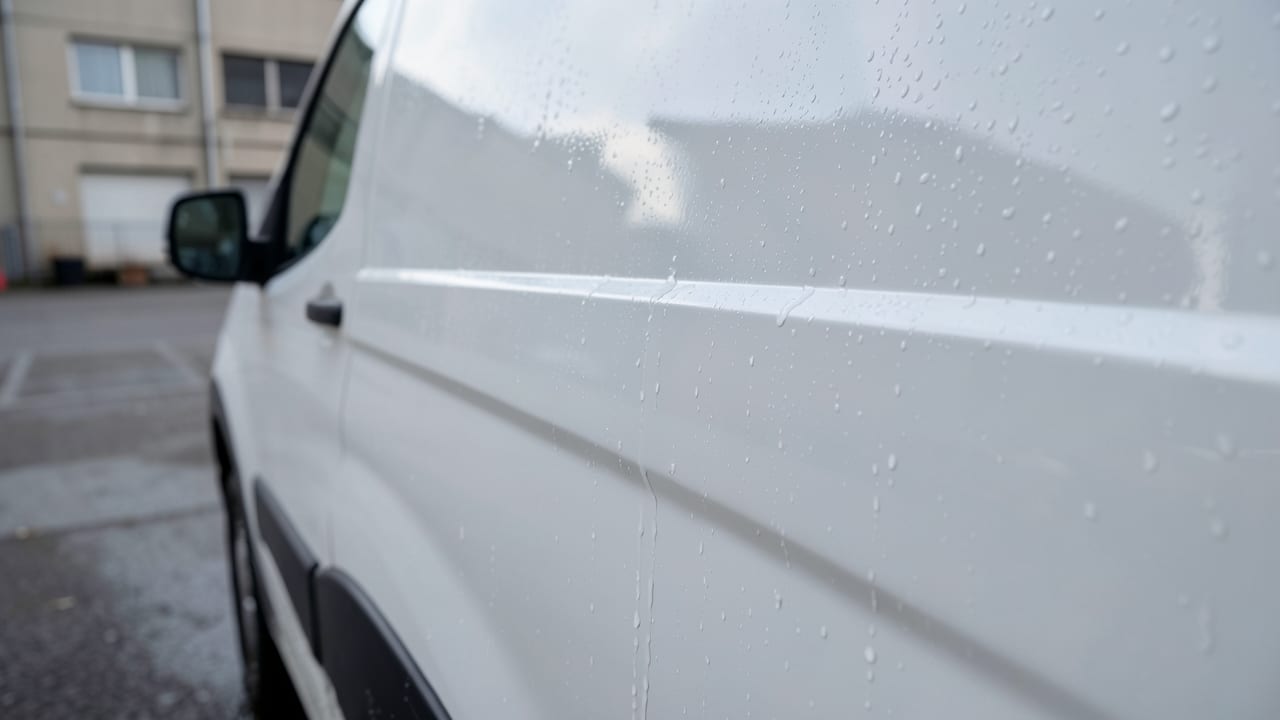
Fleet & Commercial Vehicle Coating in Setauket, NY
Ceramic coating programs for fleets and commercial vehicles in Setauket, NY — faster washing, longer-lasting branded wraps, and protected resale value.
Learn More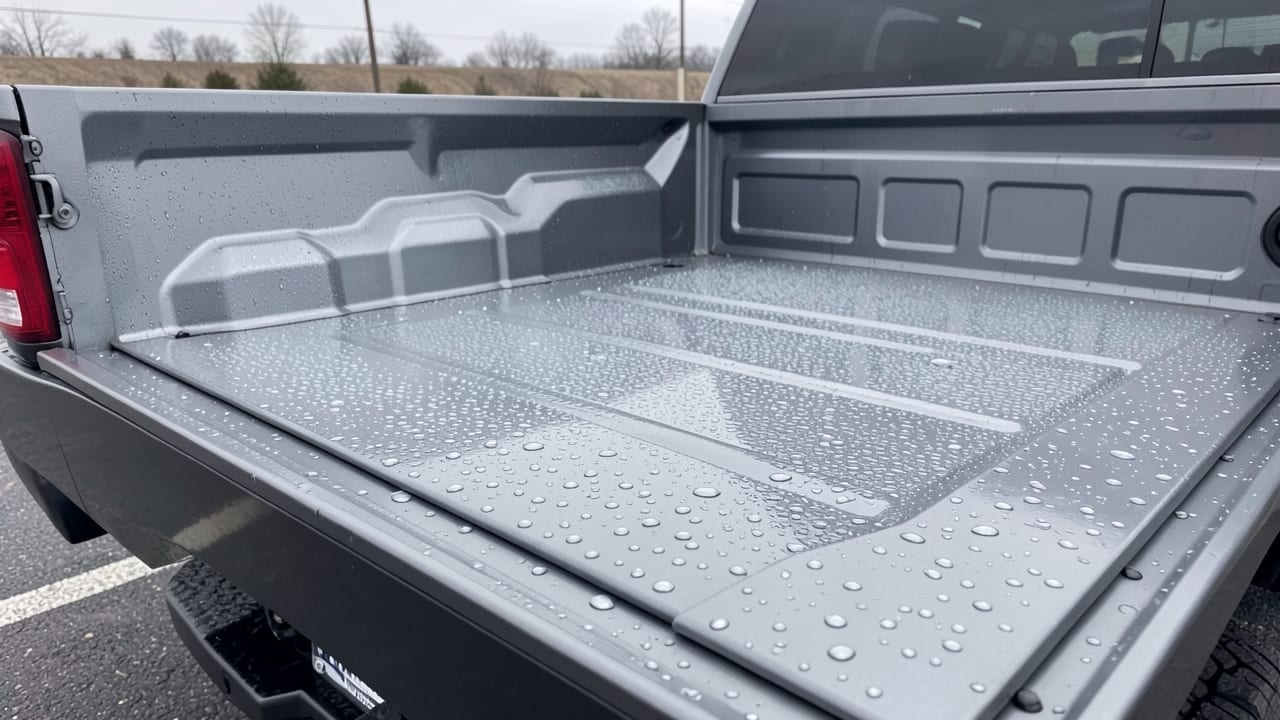
Graphene Coating in Setauket, NY
Graphene coating in Setauket, NY — a premium ceramic alternative with better heat rejection and hydrophobic durability.
Learn More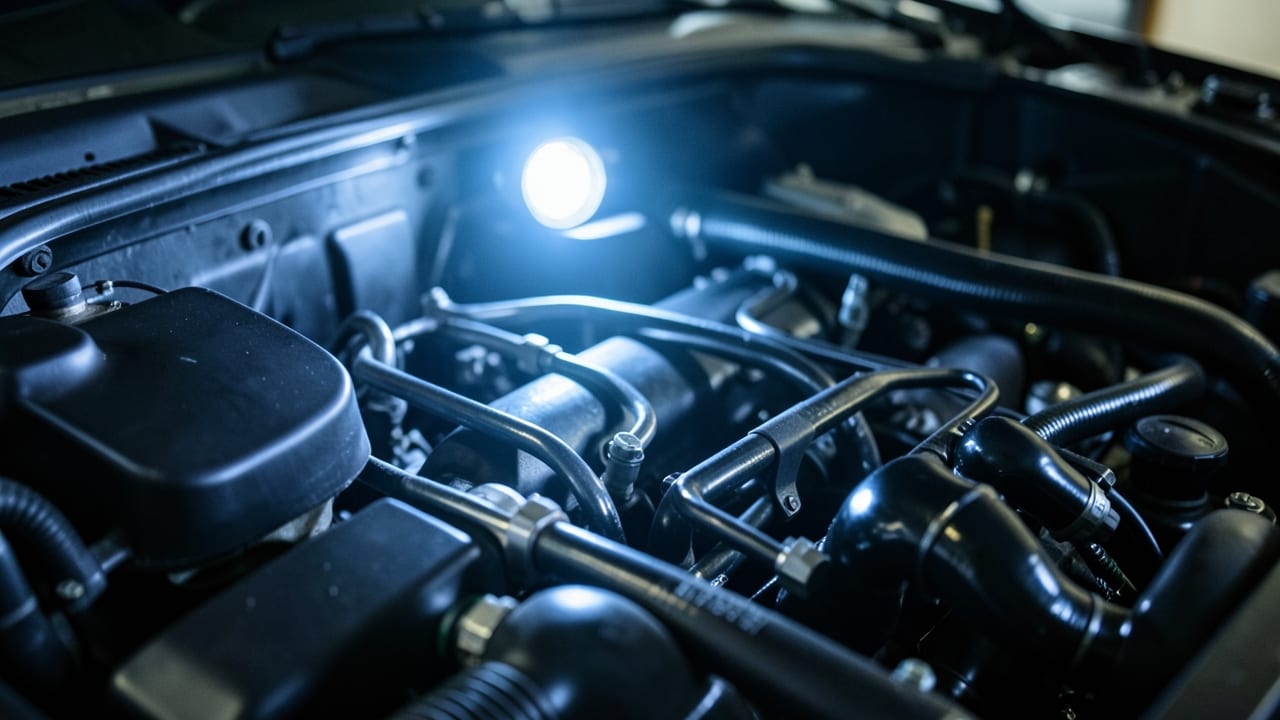
Engine Bay Detailing in Setauket, NY
Engine bay detailing in Setauket, NY — safe degreasing and dressing of the engine compartment without risking electrical components.
Learn More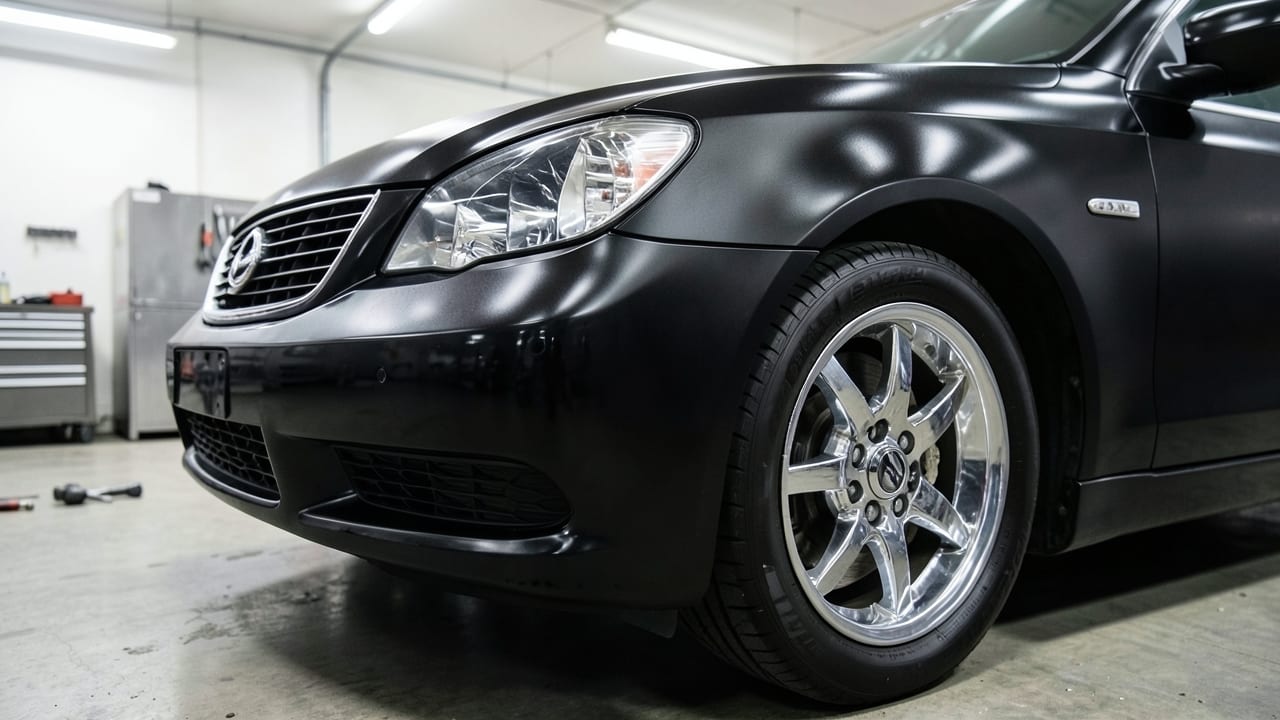
Chrome Delete Pack in Setauket, NY
Ceramic coating application for paint protection and enhanced vehicle appearance.
Learn More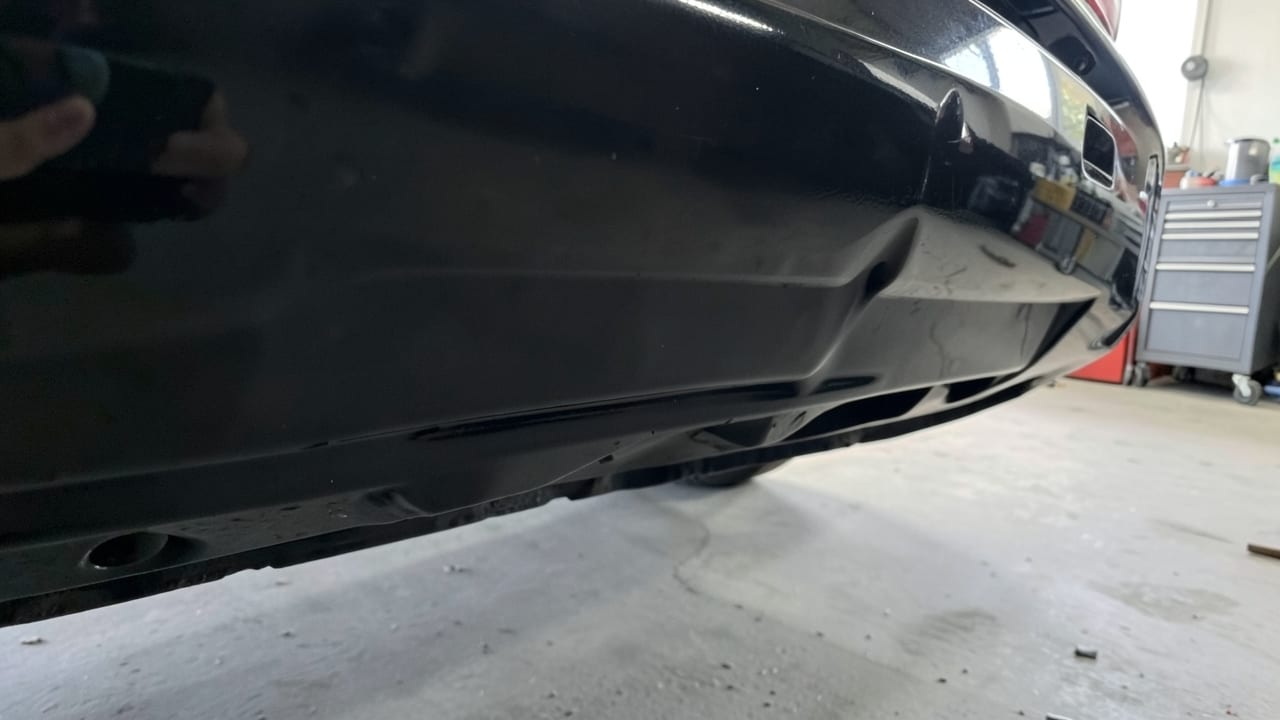
Undercoating Rustproofing in Setauket, NY
Ceramic undercoating applied to vehicle chassis to prevent rust and corrosion.
Learn MoreCommon Questions About Ceramic Coating in Setauket
Everything you need to know about ceramic coating services in Setauket
How much does Clay Bar Paint Decontamination typically cost in Setauket, NY?
Does coastal salt air affect how a ceramic coating performs in Setauket, NY?
What does proper paint prep before a ceramic coating actually involve?
How should a coated vehicle be washed after the coating is applied?
Will a ceramic coating stop rock chips or scratches?
What's the actual difference between wax, paint sealant, and ceramic coating?
Need Ceramic Coating in Setauket?
Get a written quote from our Setauket crew.
⏰ We answer your call • Serving all of Setauket and surrounding areas