Headlight Restoration & Coating
Headlight restoration and UV-protective coating in Setauket, NY — restores clarity and nighttime visibility without replacing the assembly.
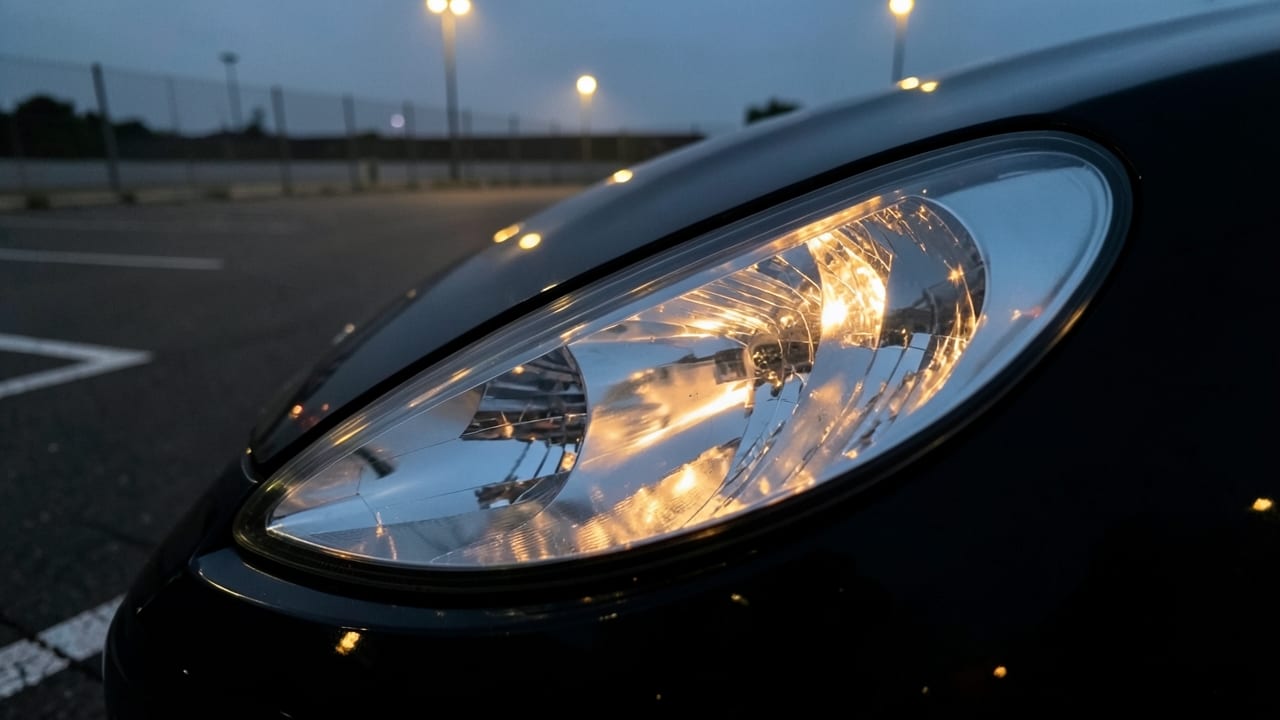
Headlight restoration and coating in Setauket, NY, targets the common issue of oxidized, yellowed headlights that scatter light and reduce nighttime visibility. Polycarbonate lenses lose their factory UV protection over time, leading to cloudiness that affects both safety and aesthetics.
This service restores clarity and adds a protective layer to extend the life of your headlights, improving performance and appearance.
We also handle Water Spot Removal and Road Tar Removal for Setauket vehicles.
Why headlights need restoration
Cloudy or yellowed headlights are more than just an eyesore—they scatter light, reducing visibility at night and increasing the risk of accidents. Oxidation and UV damage degrade the polycarbonate lens over time, causing a loss of clarity that standard cleaning can’t fix.
Restoration removes the haze and restores the lens to near-factory transparency.
Headlights are a critical safety feature, and impaired visibility can be dangerous, especially in Setauket’s varied road conditions. A restored headlight lens directs light more effectively, improving your ability to see and be seen on dark or winding roads.
Coating adds an extra layer of protection against future damage, helping headlights last longer.
Signs Your Headlights Need Restoration
- Headlights appear cloudy, yellowed, or hazy even after cleaning.
- Light output is dimmer or more scattered than when the vehicle was new.
- Water beads unevenly on the lens surface instead of rolling off smoothly.
- You notice glare or reflections on the lens when driving at night.
What affects the process and cost
The restoration process involves multiple steps, from decontamination to coating application, each of which ensures the best possible result. The level of oxidation, the age of the headlights, and the type of coating chosen all influence the time and effort required.
A thorough inspection determines which steps are necessary to achieve the desired clarity and protection.
Coating tiers vary in durability and thickness, with some designed for short-term protection and others built to last years. The choice of coating affects both the upfront cost and the long-term performance of the headlights.
Additionally, any existing damage, such as cracks or deep scratches, may require extra steps or materials to address.
| Factor | Impact on Process | Typical Outcome |
|---|---|---|
| Level of oxidation | More severe oxidation requires longer decontamination and restoration time. | Headlights may need multiple passes for full clarity. |
| Coating tier selected | Higher-tier coatings offer longer protection but take longer to apply. | Results vary in durability based on the coating’s hardness and UV resistance. |
| Existing damage (cracks, deep scratches) | May require additional repair work before coating. | Restoration focuses on restoring clarity where possible; severe damage may limit options. |
| Vehicle model and headlight design | Some models have harder-to-reach lenses or unique shapes. | Accessibility affects the time and tools needed for a clean finish. |
Common misconceptions about coating
Many vehicle owners assume that coating alone will fix deep scratches or cracks in headlights, but coatings are designed to add surface protection, not repair structural damage.
Similarly, some believe that once coated, headlights won’t need maintenance—but coatings require proper care to last. Understanding these limitations helps set realistic expectations for the service.
Another misconception is that all coatings are the same. Different tiers offer varying levels of hardness, UV resistance, and longevity. Choosing the right tier for your needs ensures the best balance between upfront cost and long-term performance. Always clarify what’s included in the quote to avoid surprises later.
Coatings do not repair cracks, chips, or deep scratches in headlight lenses. They add a protective layer over existing surfaces but cannot fill or smooth severe damage. Always inspect headlights for structural issues before proceeding with coating.
How headlight restoration & coating works
Restoration begins with thorough cleaning and decontamination to prepare the headlight surface.
- 1Foam Pre-Wash and Wheel Cleaning
The vehicle undergoes a foam pre-wash to remove loose dirt, followed by a separate wheel-and-tire cleaning pass. Different wash mitts are used for paint and wheels to prevent brake dust and grime from scratching the headlight surface during cleaning.
- 2Chemical Decontamination
Iron remover strips out embedded brake-dust particles, and tar/bug remover lifts road residue. These chemicals are applied before any mechanical contact to ensure contaminants below the surface are removed, leaving the headlight lens clean and smooth.
- 3Clay Bar Treatment
A clay bar or mitt is worked across the headlight lens with a lubricant to pull out bonded contaminants like overspray or industrial fallout. This step ensures the surface is physically smooth, which is verified by running clean fingertips across the lens.
- 4Paint Inspection and Correction
The headlight surface is inspected under raking light for swirl marks or scratches. A correction polish is applied where needed to smooth the surface before coating, as coatings follow the texture underneath and cannot hide existing imperfections.
- 5Coating Application and Cure
The coating is applied in a controlled environment with specific humidity and temperature conditions. The headlights are left undisturbed during the cure period, which can last hours or days, to ensure the coating hardens properly before exposure to water or washing.
Frequently asked questions
How do I know if my headlights need restoration instead of just cleaning?
If your headlights appear cloudy, yellowed, or hazy even after washing, or if light output is dimmer and more scattered, restoration is likely needed. Cleaning alone won’t remove deep oxidation or restore clarity in these cases.
Will coating make my headlights completely clear, even if they have scratches?
Coating adds a protective layer but does not fill or smooth deep scratches or cracks. If your headlights have structural damage, restoration focuses on improving clarity where possible, though severe damage may limit the outcome.
How long does the coating protection last, and what affects its durability?
Coating durability varies by tier and maintenance habits. Higher-tier coatings with better UV resistance and hardness typically last longer, but exposure to harsh conditions, improper washing, or lack of shade can shorten their lifespan.
Can I wash my car right after getting headlight coating done?
No, the coating requires a full cure period—typically 24 to 72 hours—before exposure to water. Washing or driving through rain too soon can cause water spots or uneven curing, compromising the finish.
Where Setauket sits, and what the Census lists nearby
Setauket sits in New York, and the closest places listed in the U.S. Census Gazetteer are Poquott (1.3 miles east), Old Field (1.5 miles northwest), East Setauket (2.2 miles southeast), Belle Terre (2.6 miles east).
Within 25 miles of Setauket the same source lists 175 distinct incorporated places and census-designated places.
Those figures matter for headlight restoration & coating because they are straight-line distances between Census coordinate points: road mileage between Setauket and Poquott runs longer than the 1.3 miles shown, which is why quotes for the same job differ between towns that look close together on a map.
Source: U.S. Census Bureau Gazetteer.
See Poquott, NY for more, or browse our complete Setauket service list in full for our complete lineup.
Ready to get started?
Talk to a local ceramic coating pro in Setauket — get a written quote.
Other Ceramic Coating Services in Setauket
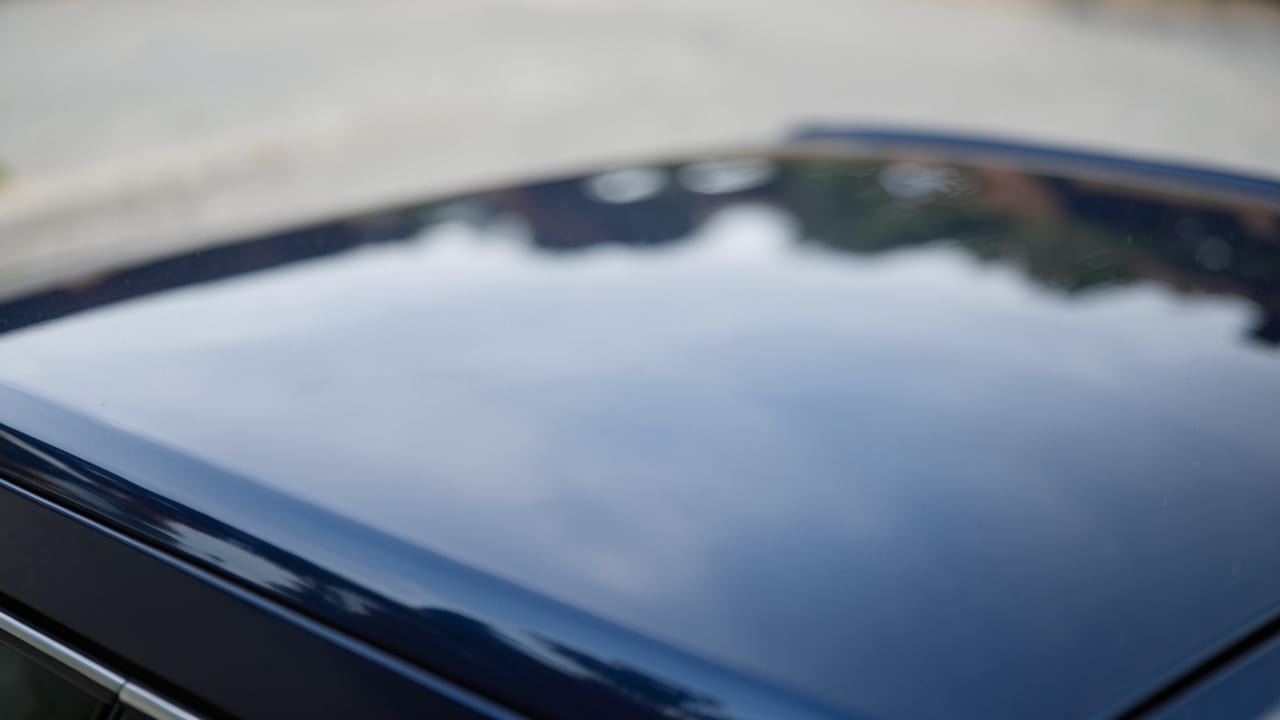
Water Spot Removal in Setauket, NY
Professional removal of water spots from ceramic-coated or painted surfaces to restore appearance.
Learn More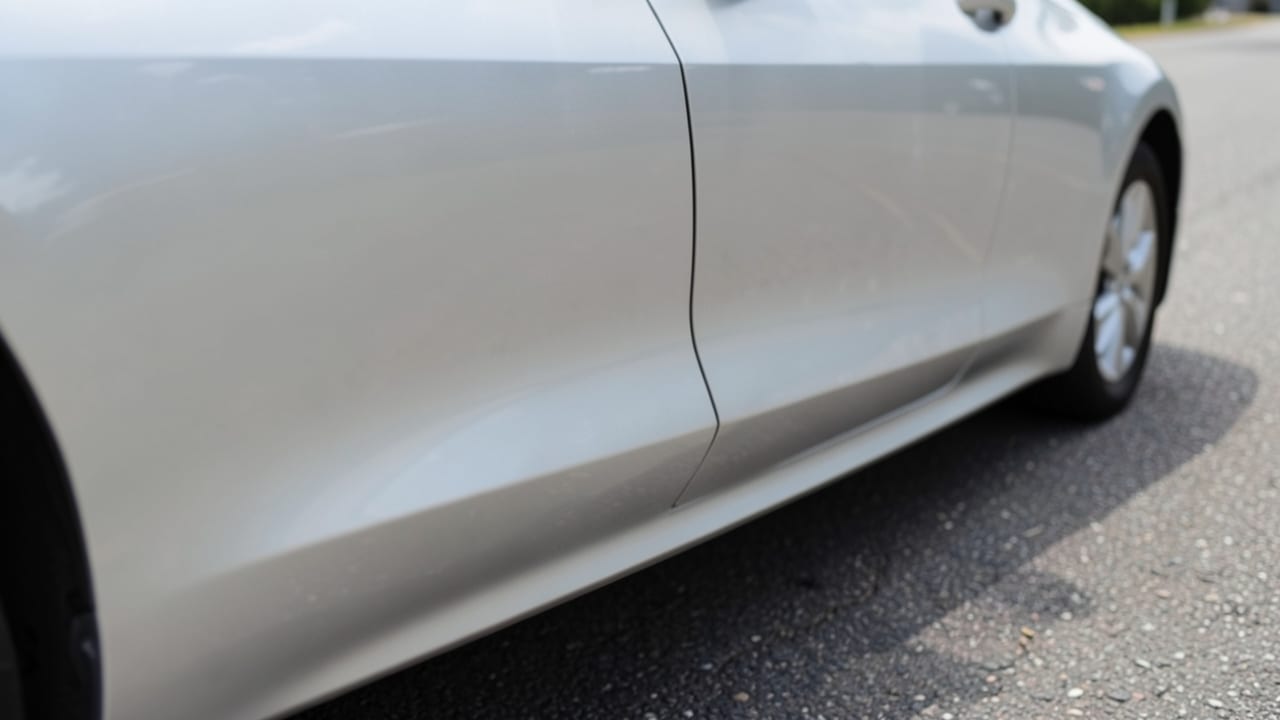
Road Tar Removal in Setauket, NY
Professional removal of road tar from vehicle paint using safe, ceramic-friendly methods.
Learn More
Overspray Removal in Setauket, NY
Removing overspray from vehicles and surfaces to restore original appearance.
Learn More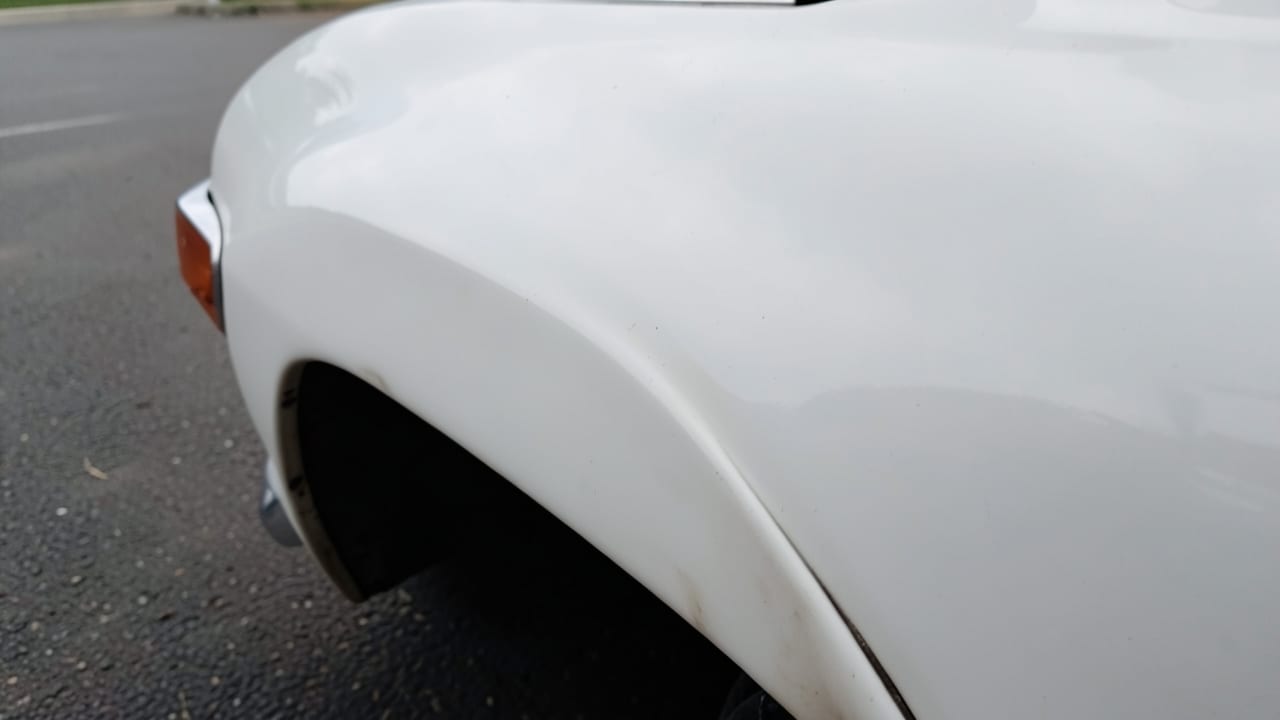
Oxidation Removal in Setauket, NY
Professional removal of oxidation from vehicle paint to restore clarity and prepare surfaces for ceramic coating.
Learn More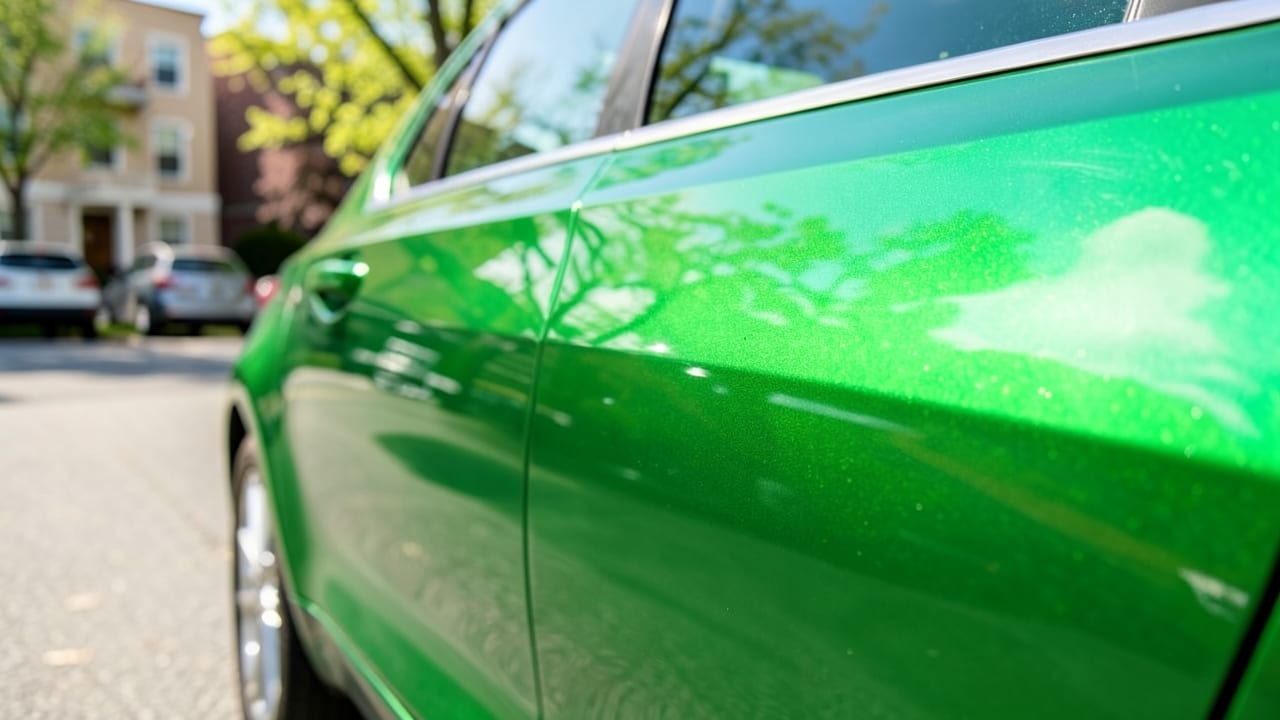
Spring Paint Rejuvenation in Setauket, NY
Ceramic coating and paint correction to restore and protect vehicle surfaces.
Learn More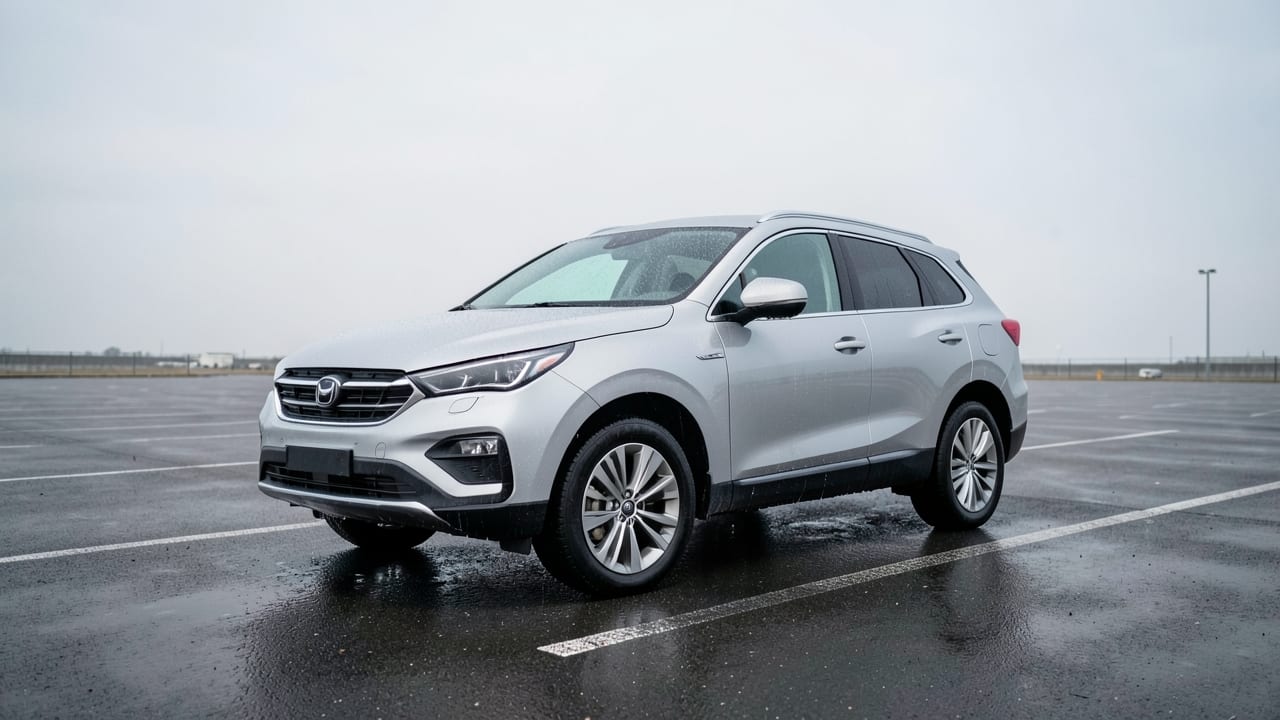
Annual Ceramic Maintenance Wash in Setauket, NY
Professional cleaning and reapplication of ceramic coatings to preserve paint protection.
Learn MoreCommon Questions About Ceramic Coating in Setauket
Everything you need to know about ceramic coating services in Setauket
How much does Headlight Restoration & Coating typically cost in Setauket, NY?
Does coastal salt air affect how a ceramic coating performs in Setauket, NY?
Can ceramic coating be applied over a vinyl wrap or matte paint?
What does proper paint prep before a ceramic coating actually involve?
How should a coated vehicle be washed after the coating is applied?
Will a ceramic coating stop rock chips or scratches?
Need Ceramic Coating in Setauket?
Get a written quote from our Setauket crew.
⏰ We answer your call • Serving all of Setauket and surrounding areas