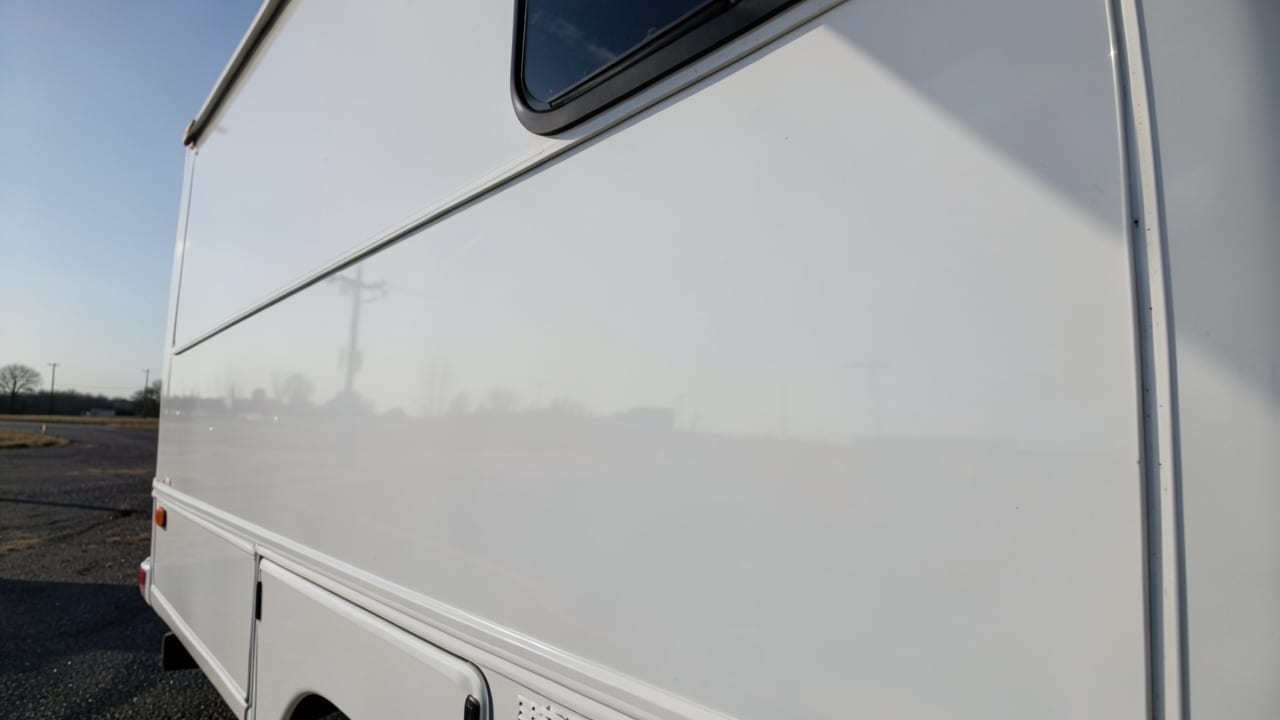
RV Paint Protection
Ceramic coatings and protective sealants applied to RV exteriors to shield paint from UV, dirt, and scratches.
RV Paint Protection in Setauket, NY, involves applying a ceramic coating to your recreational vehicle’s exterior to shield it from UV rays, oxidation, and environmental contaminants. This process creates a hydrophobic barrier that repels water, dirt, and grime, preserving your RV’s finish and simplifying maintenance.
Local service covers Setauket and surrounding areas, including Stony Brook, Port Jefferson, and Lake Grove, ensuring tailored care for your vehicle’s unique needs.
We also handle Fleet & Commercial Vehicle Coating and Graphene Coating for Setauket vehicles.
When is RV paint protection needed?
Your RV’s paint may need protection if water no longer beads up and rolls off but instead spreads into a flat sheet. This indicates the existing protection has worn away, leaving the paint exposed to damage.
Fine swirl marks that only appear under direct sunlight or a flashlight—especially on darker colors—are another sign that the surface has accumulated scratches from routine washing.
Run your fingertips lightly across the paint; if you feel small bumps rather than a smooth surface, bonded contaminants like brake dust or industrial fallout have likely accumulated. Paint that looks dull or hazy immediately after washing, instead of glossy, suggests fine scratching and contamination have built up over time.
Addressing these issues before applying a coating ensures the finish lasts longer.
Signs Your RV Needs Paint Protection
- Water no longer beads up but spreads across the surface.
- Visible swirl marks under direct light, especially on dark paint.
- Paint feels rough or bumpy when touched with clean fingertips.
- Dull or hazy appearance after washing, instead of a glossy finish.
What affects the quality and longevity of RV paint protection?
The quality of preparation before coating is critical. Skipping steps like chemical decontamination or clay bar treatment leaves contaminants under the coating, reducing its effectiveness. The type of coating—whether SiO2 or graphene-based—also impacts durability, with multi-layer coatings typically offering longer protection than single-layer options.
Proper curing conditions, such as controlled temperature and humidity, prevent issues like streaking or patchy adhesion.
Habits in the first few weeks after coating are just as important as ongoing maintenance. Parking in shade or a garage during the initial curing period helps avoid flash-curing, while avoiding automatic car washes with spinning brushes prevents fine scratching.
Rinsing off contaminants like bird droppings or tree sap promptly protects against etching and maintains the coating’s integrity.
What to expect during the service
The process begins with a thorough wash, including a foam pre-wash and separate wheel cleaning, to remove loose dirt and brake dust. Chemical decontamination follows, using iron removers and tar/bug removers to strip embedded contaminants before any mechanical contact with the paint.
A clay bar treatment then smooths the surface, ensuring all bonded contaminants are removed.
After inspection and correction of any swirl marks or scratches, the panels are wiped down with an isopropyl alcohol solution to remove residue. The coating is applied in a controlled environment, left to cure undisturbed, and only exposed to rain or washing after the manufacturer’s specified cure period.
This step-by-step approach ensures the coating bonds properly and performs as intended.
| Step | Purpose |
|---|---|
| Foam Pre-Wash and Wheel Cleaning | Removes loose dirt and brake dust before decontamination. |
| Chemical Decontamination | Strips embedded contaminants like brake dust and road tar. |
| Clay Bar Treatment | Pulls out bonded contaminants for a smooth paint surface. |
| Paint Inspection and Correction | Addresses swirl marks or scratches before coating. |
| Coating Application and Cure | Applies and cures the coating in controlled conditions. |
How RV paint protection works
This service involves multiple preparation and application steps to ensure a durable, long-lasting finish.
- 1Pre-Wash and Wheel Cleaning
The RV undergoes a foam pre-wash to remove loose dirt, followed by a dedicated wheel-and-tire cleaning pass. Different wash mitts are used for paint and wheels to prevent cross-contamination of brake dust.
- 2Chemical Decontamination
Iron remover strips embedded brake-dust particles, and tar/bug remover lifts road tar and insect residue. These chemicals are applied before any mechanical contact to ensure contaminants below the surface are removed.
- 3Clay Bar Treatment
A clay bar or mitt is worked across every panel with a lubricant to pull out remaining bonded contaminants, such as overspray or industrial fallout. The surface is considered ready when it feels smooth to the touch.
- 4Paint Correction and Wipe-Down
The paint is inspected under raking light for swirl marks or scratches, which are corrected if needed. Panels are then wiped down with an isopropyl alcohol solution to remove any residue before coating.
- 5Coating Application and Cure
The ceramic coating is applied panel by panel in a dust-free environment with controlled humidity and temperature. The RV is left undisturbed during the cure period before exposure to rain or washing.
Frequently asked questions
Will RV paint protection stop rock chips or deep scratches?
No, ceramic coatings add surface hardness to resist light swirling and minor abrasions but do not provide impact protection against rock chips or deep scratches. They are designed to preserve the existing paint finish, not replace protective layers like film or vinyl wraps.
How long does the coating process take from start to finish?
The entire process, including preparation, coating application, and cure time, typically takes 1–2 days. The cure period alone can range from 24 to 72 hours, depending on the product and environmental conditions.
Can I wash my RV immediately after the coating is applied?
No, the RV must not be exposed to water—including rain, washing, or heavy dew—until the coating has fully cured. The manufacturer’s cure period, usually 24–72 hours, must be completed before any washing is done to avoid water-spot marks.
What maintenance is required after the coating is applied?
Use a two-bucket wash method with pH-neutral soap and avoid automatic car washes with spinning brushes for the first few weeks. Rinse off contaminants like bird droppings or tree sap promptly to prevent etching, and park in shade or a garage during the initial curing period.
Where Setauket sits, and what the Census lists nearby
Setauket sits in New York, and the closest places listed in the U.S. Census Gazetteer are Poquott (1.3 miles east), Old Field (1.5 miles northwest), East Setauket (2.2 miles southeast), Belle Terre (2.6 miles east).
Within 25 miles of Setauket the same source lists 175 distinct incorporated places and census-designated places.
Those figures matter for rv paint protection because they are straight-line distances between Census coordinate points: road mileage between Setauket and Poquott runs longer than the 1.3 miles shown, which is why quotes for the same job differ between towns that look close together on a map.
Source: U.S. Census Bureau Gazetteer.
See Selden, NY for more, or see what's included in our Setauket service before booking for our complete lineup.
Ready to get started?
Talk to a local ceramic coating pro in Setauket — get a written quote.
Other Ceramic Coating Services in Setauket
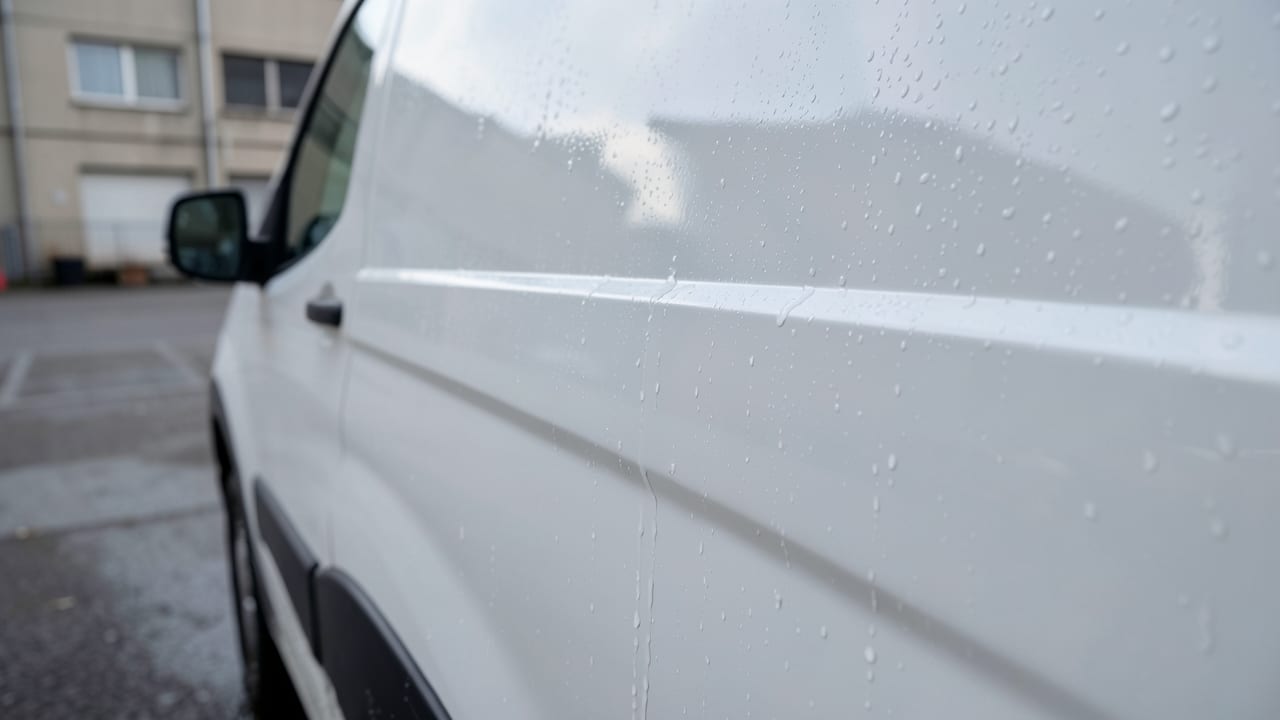
Fleet & Commercial Vehicle Coating in Setauket, NY
Ceramic coating programs for fleets and commercial vehicles in Setauket, NY — faster washing, longer-lasting branded wraps, and protected resale value.
Learn More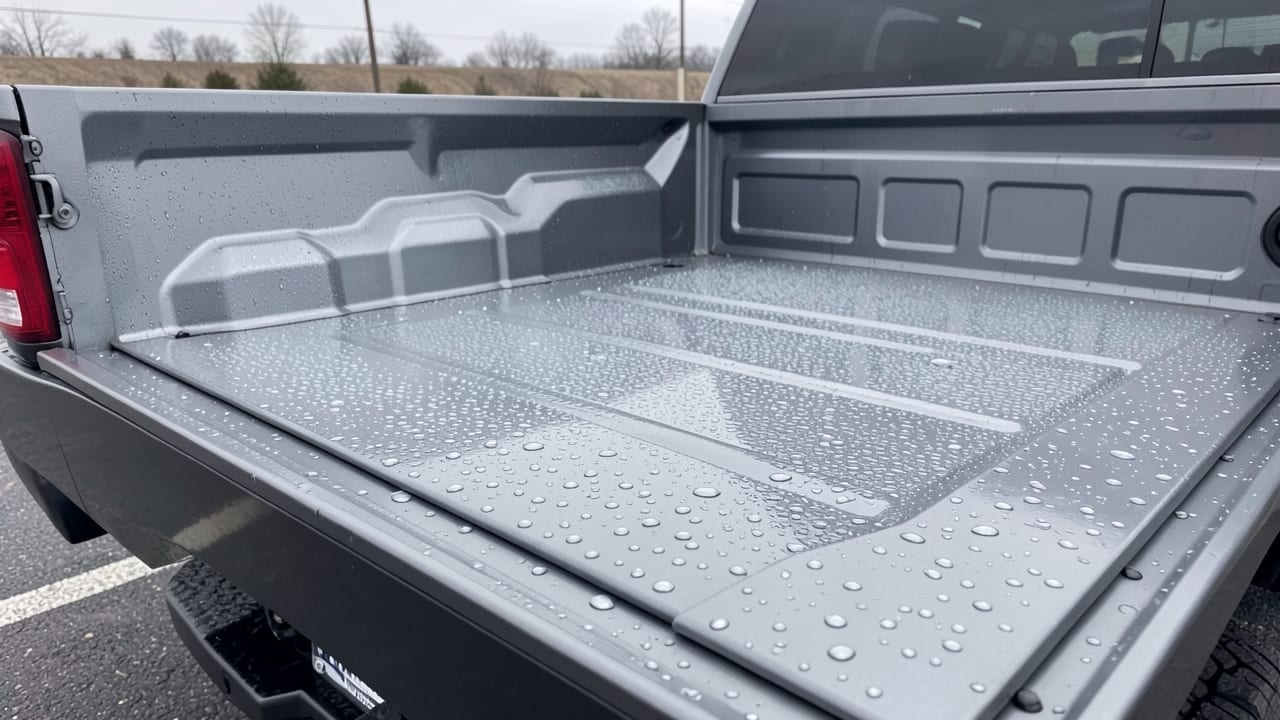
Graphene Coating in Setauket, NY
Graphene coating in Setauket, NY — a premium ceramic alternative with better heat rejection and hydrophobic durability.
Learn More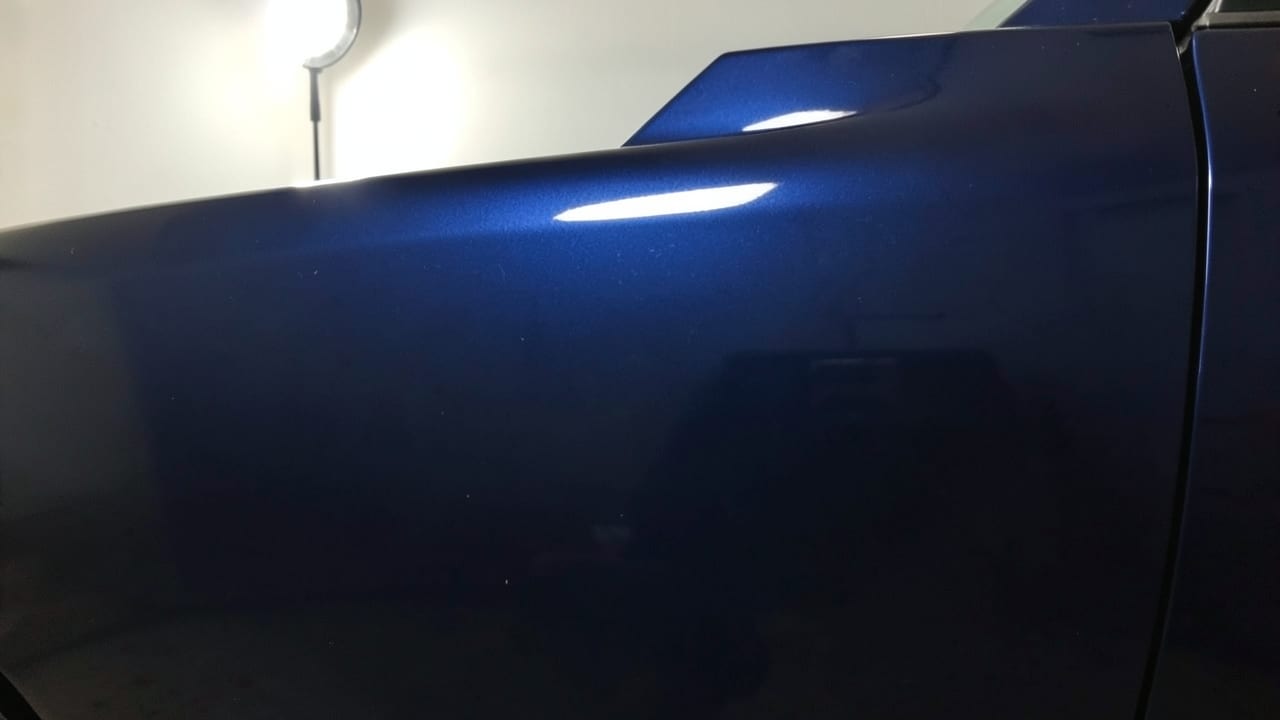
Clay Bar Paint Decontamination in Setauket, NY
Clay bar paint decontamination in Setauket, NY removes bonded surface contaminants a wash alone can't touch, before coating or correction.
Learn More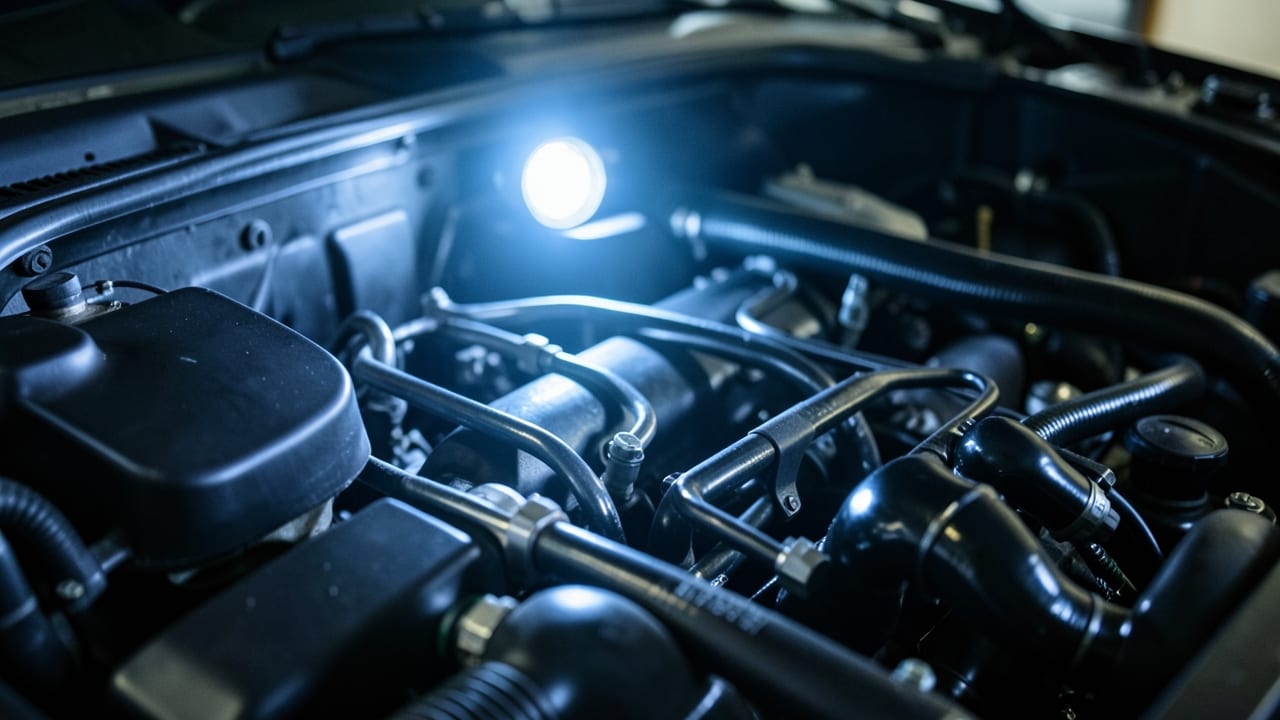
Engine Bay Detailing in Setauket, NY
Engine bay detailing in Setauket, NY — safe degreasing and dressing of the engine compartment without risking electrical components.
Learn More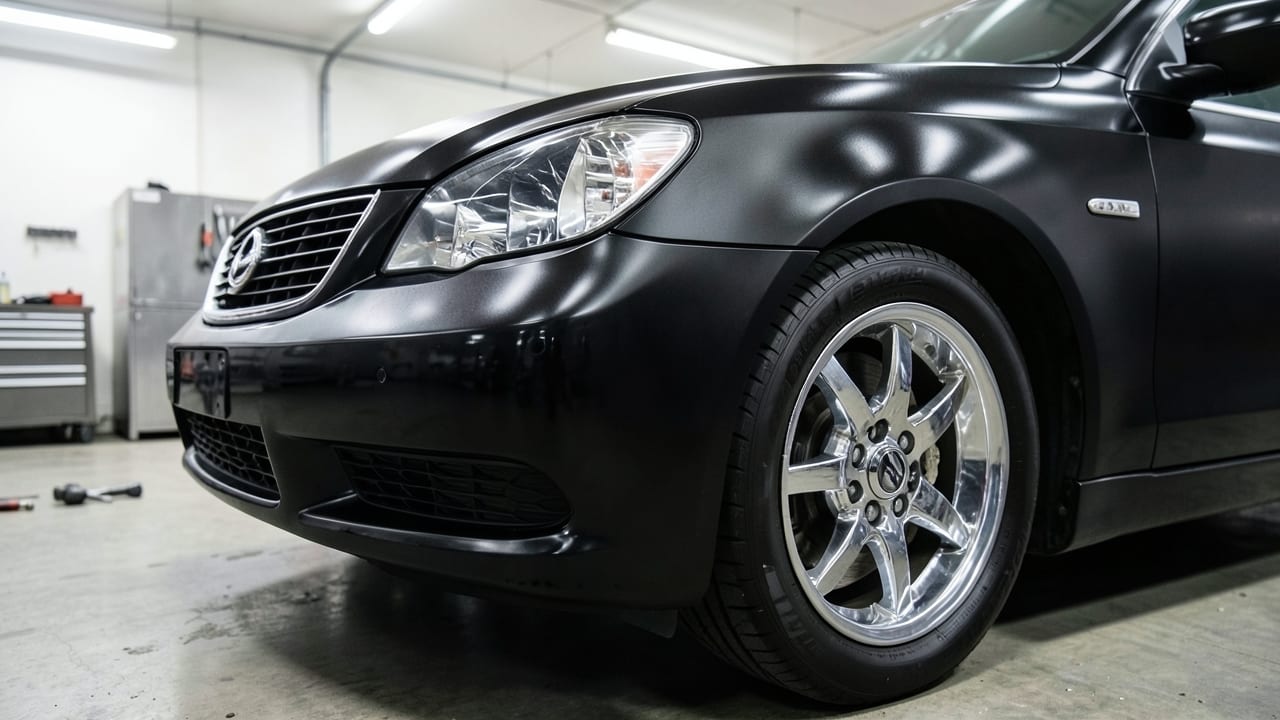
Chrome Delete Pack in Setauket, NY
Ceramic coating application for paint protection and enhanced vehicle appearance.
Learn More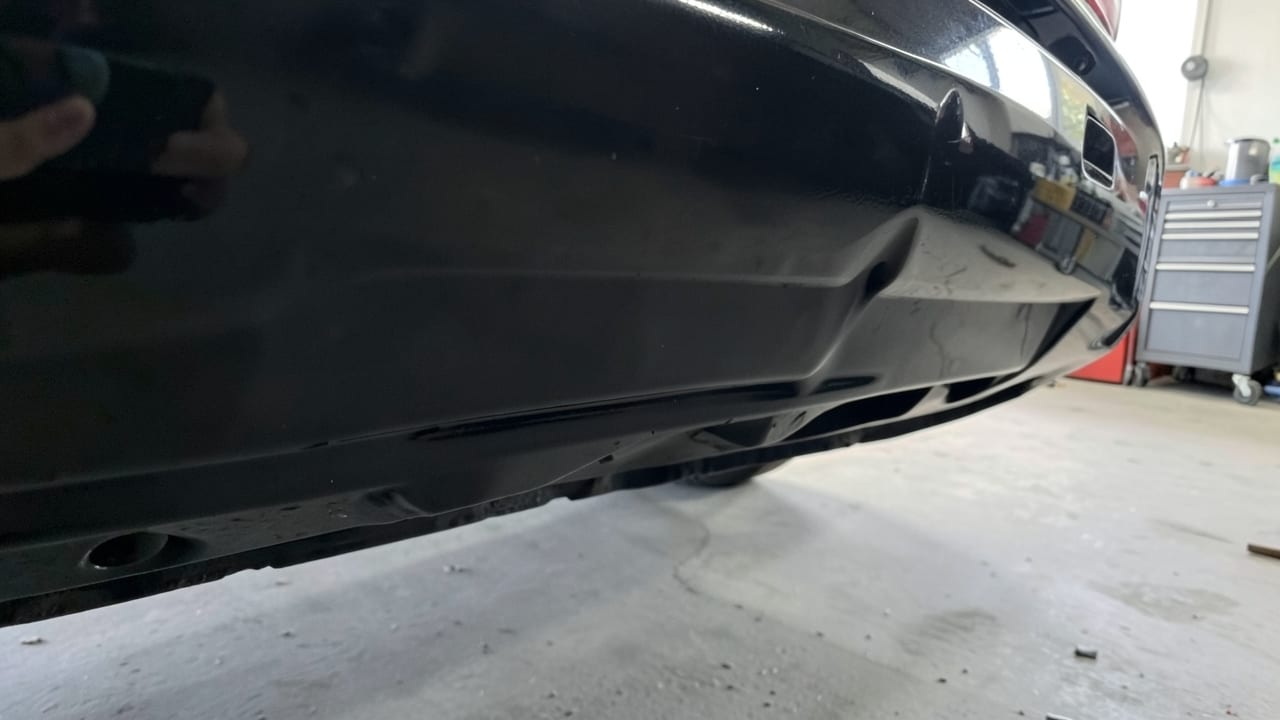
Undercoating Rustproofing in Setauket, NY
Ceramic undercoating applied to vehicle chassis to prevent rust and corrosion.
Learn MoreCommon Questions About Ceramic Coating in Setauket
Everything you need to know about ceramic coating services in Setauket
How much does RV Paint Protection typically cost in Setauket, NY?
Does coastal salt air affect how a ceramic coating performs in Setauket, NY?
Will a ceramic coating stop rock chips or scratches?
What's the actual difference between wax, paint sealant, and ceramic coating?
Can ceramic coating be applied at home instead of by a detailing shop?
How long does a ceramic coating actually last in real-world use?
Need Ceramic Coating in Setauket?
Get a written quote from our Setauket crew.
⏰ We answer your call • Serving all of Setauket and surrounding areas