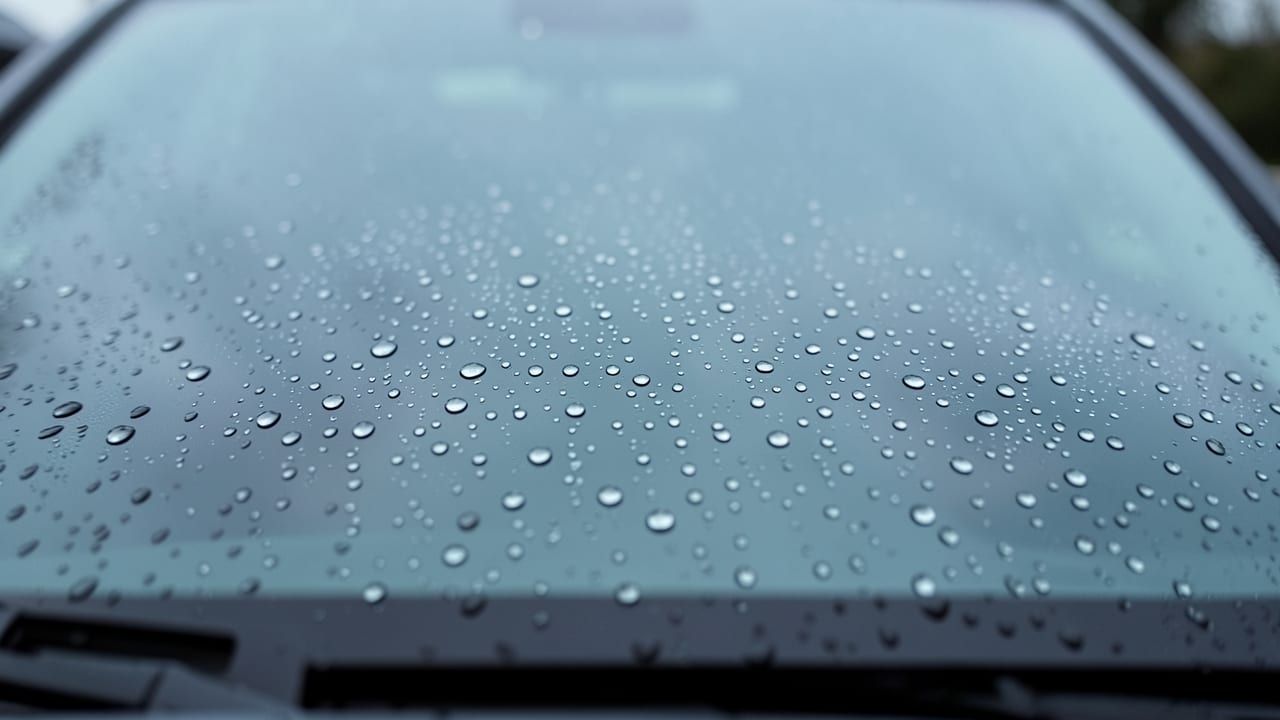
Glass Surface Hydrophobic Treatment
Applying a ceramic coating to glass surfaces for water repellency and easier cleaning.
Glass Surface Hydrophobic Treatment in Setauket, NY, applies a ceramic coating to windows, shower enclosures, and other glass surfaces to create a water-repellent barrier.
This treatment causes water to bead and roll off, reducing streaks, mineral deposits, and maintenance efforts while enhancing clarity and longevity for treated surfaces in homes across Long Island.
We also handle Paint Protection Film (PPF) Installation and Ceramic Window Tint for Setauket vehicles.
When is hydrophobic treatment needed?
Water that spreads into a flat sheet instead of beading and rolling off glass surfaces is the clearest sign that the protective barrier has worn away. This often happens over time due to exposure to sunlight, cleaning chemicals, or hard water minerals.
Streaks, mineral buildup, and difficulty in cleaning are other common indicators that treatment may be beneficial.
Fine scratches or swirl marks visible under direct sunlight—especially on darker glass—also suggest that the surface is ready for hydrophobic treatment. These imperfections can trap dirt and water, making maintenance more challenging and reducing visibility. If cleaning no longer restores the glass’s shine, it’s time to consider a ceramic coating.
Signs Your Glass Needs Hydrophobic Treatment
- Water beads poorly, spreading into a flat sheet instead of rolling off.
- Visible streaks, mineral deposits, or hard water stains that won’t clean off easily.
- Fine scratches or swirl marks on glass, especially noticeable in direct sunlight.
- Glass appears dull or hazy immediately after cleaning, rather than glossy and clear.
What affects treatment coverage and effectiveness?
The size and number of glass surfaces treated directly impact the total coverage required. Larger windows, shower enclosures, or multiple panes will require more material and time to apply evenly.
The condition of the glass—such as existing scratches, mineral buildup, or previous coatings—also influences how well the hydrophobic treatment adheres and performs.
Environmental factors like humidity and temperature during application can affect the coating’s cure time and durability. Treating glass in controlled conditions ensures the ceramic layer bonds properly, maximizing its water-repellent properties and longevity.
| Factor | Impact on Treatment |
|---|---|
| Surface size/quantity | Larger or more surfaces require more material and time. |
| Existing glass condition | Scratches or buildup may need pre-treatment for optimal adhesion. |
| Humidity/temperature | Ideal conditions (50-80% humidity, 60-80°F) ensure proper curing. |
| Mineral hardness of water | Hard water may accelerate mineral deposit buildup over time. |
How long does the treatment last?
The lifespan of a hydrophobic ceramic coating depends on several factors, including the quality of the product used, the surface’s preparation, and environmental exposure. High-quality coatings typically last 2–5 years before requiring reapplication, though durability can vary based on local conditions like salt air, UV exposure, and cleaning habits.
Regular maintenance, such as gentle cleaning with a pH-neutral soap and avoiding abrasive tools, can extend the coating’s effectiveness. Avoiding automatic car washes with spinning brushes—especially in the first few weeks—also helps prevent premature wear.
How glass surface hydrophobic treatment works
This process involves cleaning, decontaminating, and applying a ceramic coating to glass surfaces.
- 1Deep Cleaning
Glass surfaces are thoroughly cleaned with a foam wash and wheel cleaning (if applicable) to remove dirt, grime, and mineral deposits. This ensures a smooth, contaminant-free surface for the coating to adhere to.
- 2Decontamination
Chemical treatments, such as iron removers and tar/bug removers, are applied to strip embedded contaminants like brake dust or road grime. A clay bar is then used to physically remove bonded particles, leaving the glass surface smooth.
- 3Preparation for Coating
The glass is inspected for scratches or imperfections, which may require polishing to avoid locking in texture under the coating. A final wipe-down with isopropyl alcohol removes any residue, ensuring the coating bonds evenly.
- 4Ceramic Coating Application
The hydrophobic ceramic coating is applied in a controlled environment with proper humidity and temperature. It is left to cure undisturbed for the recommended time before exposure to water or cleaning.
- 5Curing and Maintenance
The treated surfaces are protected during curing (typically 24–48 hours) to prevent water spots or premature wear. Proper maintenance, like using pH-neutral cleaners, helps preserve the coating’s effectiveness.
Frequently asked questions
Will hydrophobic treatment make my glass completely waterproof?
No, the treatment creates a water-repellent barrier that causes water to bead and roll off, reducing streaks and mineral deposits. However, prolonged exposure to hard water or harsh cleaning chemicals may eventually require reapplication.
Can this treatment be applied to all types of glass, including tempered or laminated?
Yes, hydrophobic treatment can be applied to most glass types, including tempered and laminated surfaces. However, the preparation process may vary slightly depending on the glass’s condition and manufacturer recommendations.
How soon can I clean or use the treated glass after application?
The glass should not be exposed to water or cleaning for 24–48 hours to allow the coating to fully cure. Follow the technician’s guidance for the specific product used to avoid compromising the treatment.
Will the coating hide existing scratches or imperfections on my glass?
No, the coating follows the surface texture of the glass. If scratches or swirl marks are present, they will remain visible unless polished out before application. The coating is intended to protect and repel water, not to hide surface flaws.
Where Setauket sits, and what the Census lists nearby
Setauket sits in New York, and the closest places listed in the U.S. Census Gazetteer are Poquott (1.3 miles east), Old Field (1.5 miles northwest), East Setauket (2.2 miles southeast), Belle Terre (2.6 miles east).
Within 25 miles of Setauket the same source lists 175 distinct incorporated places and census-designated places.
Those figures matter for glass surface hydrophobic treatment because they are straight-line distances between Census coordinate points: road mileage between Setauket and Poquott runs longer than the 1.3 miles shown, which is why quotes for the same job differ between towns that look close together on a map.
Source: U.S. Census Bureau Gazetteer.
See Selden, NY for more, or explore everything on offer in Setauket across the area for our complete lineup.
Ready to get started?
Talk to a local ceramic coating pro in Setauket — get a written quote.
Other Ceramic Coating Services in Setauket
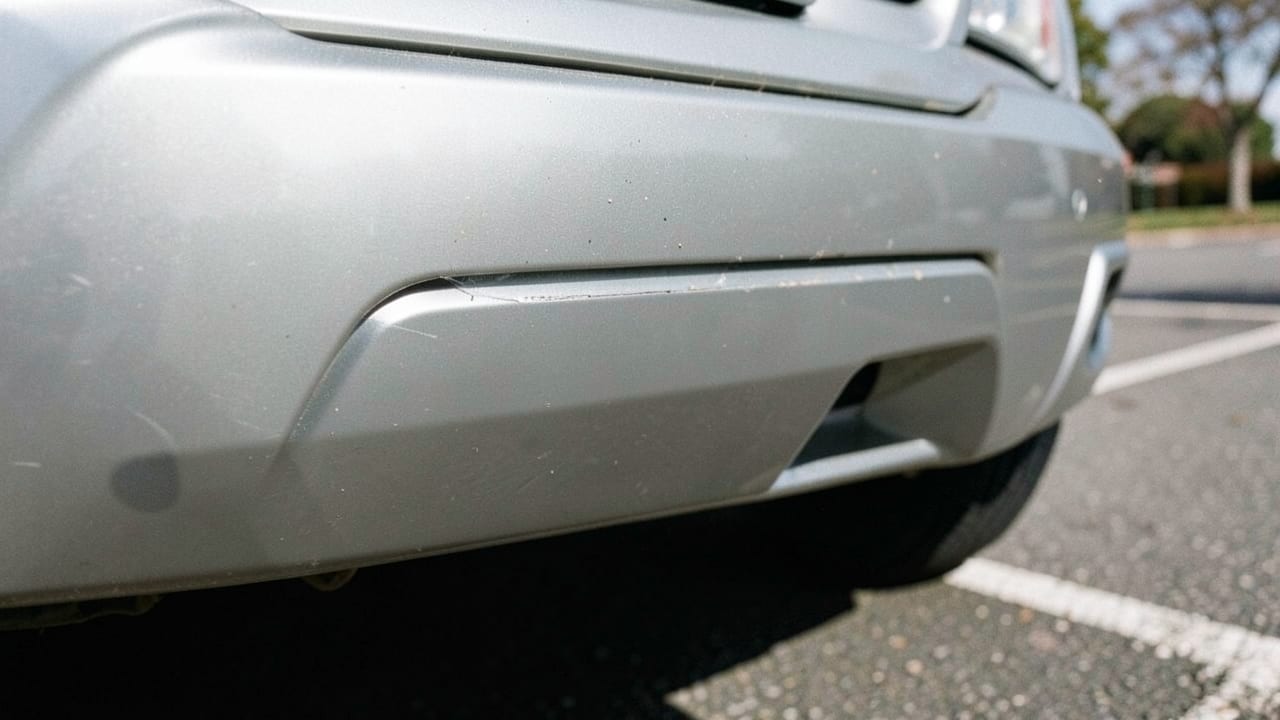
Paint Protection Film (PPF) Installation in Setauket, NY
Self-healing clear PPF installation in Setauket, NY for high-impact panels or a full-body wrap — real physical protection against rock chips and road debris.
Learn More
Ceramic Window Tint in Setauket, NY
Nano-ceramic window tint in Setauket, NY — rejects heat and blocks 99% of UV without the signal interference or fading of cheaper films.
Learn More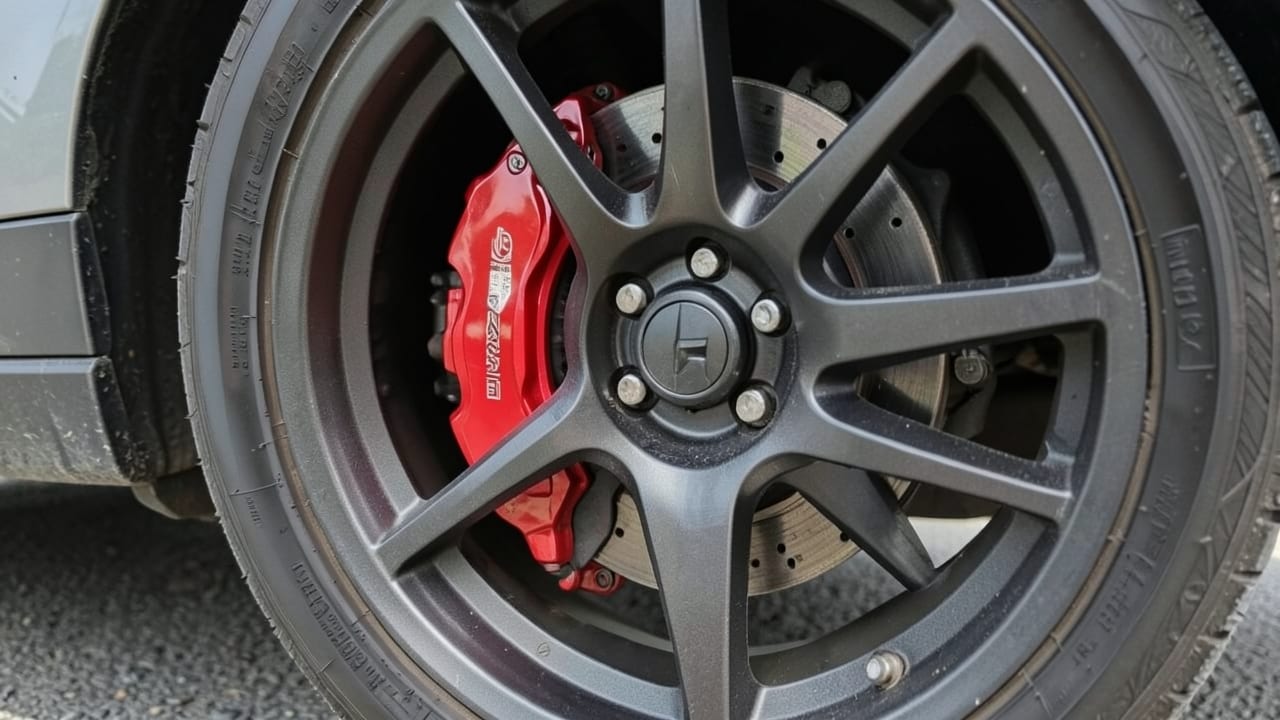
Wheel & Brake Caliper Ceramic Coating in Setauket, NY
Dedicated ceramic coating for wheels and brake calipers in Setauket, NY — stops brake dust and corrosive grime from bonding to the finish.
Learn More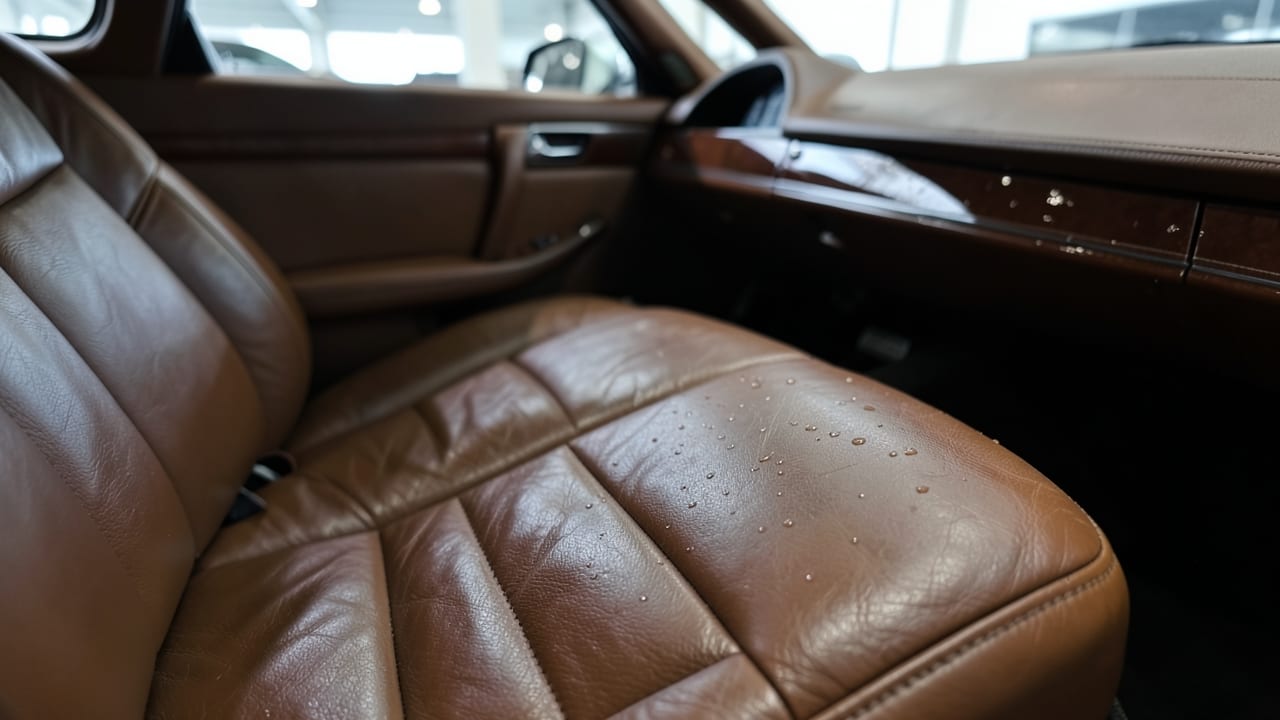
Interior Ceramic Protection in Setauket, NY
Interior fabric, leather, and trim ceramic protection in Setauket, NY — guards against spills, UV fading, and daily wear.
Learn More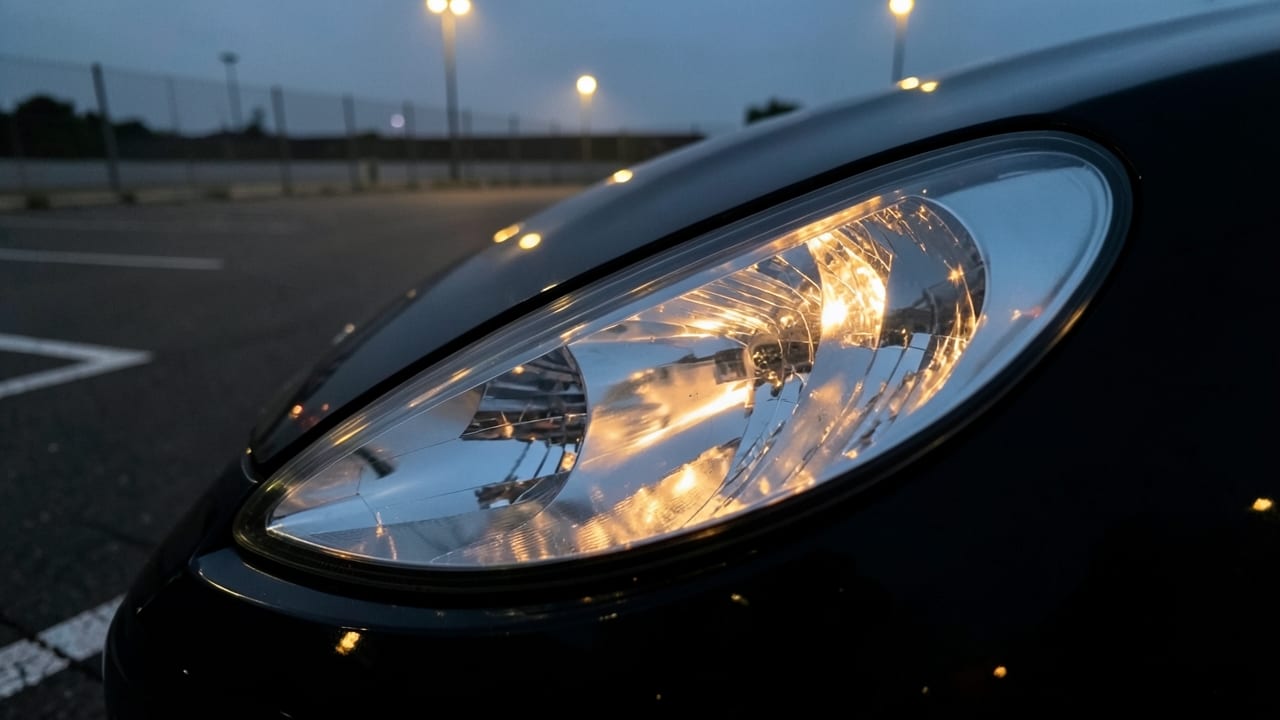
Headlight Restoration & Coating in Setauket, NY
Headlight restoration and UV-protective coating in Setauket, NY — restores clarity and nighttime visibility without replacing the assembly.
Learn More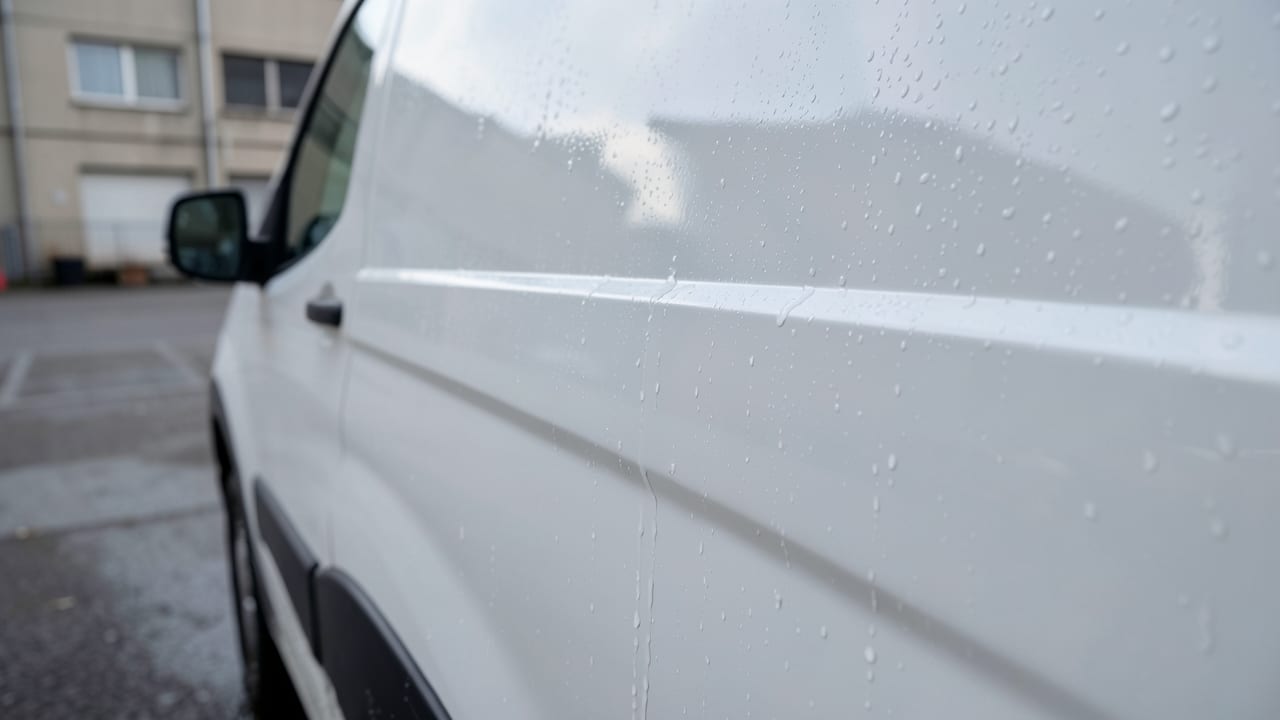
Fleet & Commercial Vehicle Coating in Setauket, NY
Ceramic coating programs for fleets and commercial vehicles in Setauket, NY — faster washing, longer-lasting branded wraps, and protected resale value.
Learn MoreCommon Questions About Ceramic Coating in Setauket
Everything you need to know about ceramic coating services in Setauket
How much does Glass Surface Hydrophobic Treatment typically cost in Setauket, NY?
Does coastal salt air affect how a ceramic coating performs in Setauket, NY?
What is the difference between graphene and SiO2 ceramic coatings?
Does a ceramic coating need to be topped up over time?
Can a ceramic coating be applied over existing swirl marks or light scratches?
Is ceramic coating ever covered by comprehensive auto insurance?
Need Ceramic Coating in Setauket?
Get a written quote from our Setauket crew.
⏰ We answer your call • Serving all of Setauket and surrounding areas